Training
Guide to Cleaning and Maintaining Pruning Equipment
At Pulverizadores Rocha, we believe that true efficiency in the field begins with informed decisions and the sharing of consistent day-to-day practices. That is why we continue our monthly feature dedicated to Agricultural Best Practices. Every month, we bring you an essential topic to help optimise your results, reduce waste and promote far more sustainable production.
In today's article, we focus on Cleaning and Maintenance of Pruning Equipment — the key to ensuring operator safety, high-quality pruning and the long service life of your equipment.
Having previously covered the calibration, cleaning and maintenance of sprayers, today we broaden our focus.
Because Pulverizadores Rocha is much more than just sprayers, we are taking a detailed look at our range of green pruning (hedging) equipment. However, it is worth remembering that the cleaning and maintenance principles we share here apply, in essence, to our entire range of woody crop cutting equipment for vineyards, olive groves and orchards.
What are Hedgers and why are they important?
Hedgers are essential agricultural machines in modern viticulture, playing a fundamental role in what is known as green pruning (or summer pruning).
Mounted at the front of the tractor (using a mounting frame attached either to the front weight support or to the front hydraulic linkage), these machines are designed to remove excess vegetation (shoots and leaves) growing beyond the desired canopy profile. The cutting bars are powered either by the tractor's external hydraulic service or, optionally, by an independent hydraulic power pack mounted on the rear linkage and driven by the Power Take-Off (PTO). As the tractor moves forward, the blades carry out the pruning operation by cutting away the excess growth.
This cultivation practice provides immediate benefits for your crop:
- Improved air circulation and sunlight exposure: Removing excess foliage allows fruit to receive more sunlight and airflow, improving ripening while significantly reducing the risk of fungal diseases such as downy mildew and powdery mildew.
- Efficiency and speed: Work that would take a team of labourers several days to complete (with labour becoming increasingly scarce) can be carried out in just a few hours using a tractor.
- Balanced vine growth: It helps direct the plant's energy towards fruit development rather than excessive vegetative growth.
- Easier subsequent operations: Keeping the rows clear makes access easier for essential operations such as crop protection treatments and harvesting.
Types of Hedgers and Cutting Systems
Depending on the layout of your vineyard and the terrain, hedgers are available in different configurations:
- "L" configuration: Cuts the top of the canopy and one side of the vine row, making it ideal for growers wishing to control the height and width of one side at a time.
- "I" configuration: Cuts only one side of the vine row, making it suitable for growers who only wish to manage the width of a single canopy face.
- Single-row or double-row models: Simpler machines designed to work one row at a time, or more robust models capable of hedging two rows simultaneously.
- Inverted "U" configuration: Encloses the entire vine row, cutting the top and both sides simultaneously in a single pass. This is a highly efficient solution for flat, uniform vineyards.
There are two main cutting technologies available:
- Sickle-bar cutters: Operate using a blade and counter-blade system (similar to a giant pair of scissors). They provide an exceptionally clean and precise cut, which is beneficial for plant health, although they require the tractor to operate at a more moderate speed.
- Rotary knives: Operate using high-speed rotating blades. They allow higher working speeds and are particularly effective when cutting soft shoots and leaves, although the cut is not as precise.
⚠️ Safety Notice: As these machines operate with rotating components or extremely sharp blades at high speed, their operation and adjustment always require great care and the use of suitable tractor protection (such as enclosed cabs).
The Maintenance Plan: Step by Step
Regular cleaning and maintenance have a direct impact on the performance, durability and, above all, the safe operation of your equipment. We have divided best practices into three essential stages:
1. Before the Start of the Season (Preparation)
This is the stage for a thorough inspection to ensure that your equipment performs reliably throughout the working season:
- Visual Inspection: Check the metal structure for cracks, excessive play in the articulated arms or worn components.
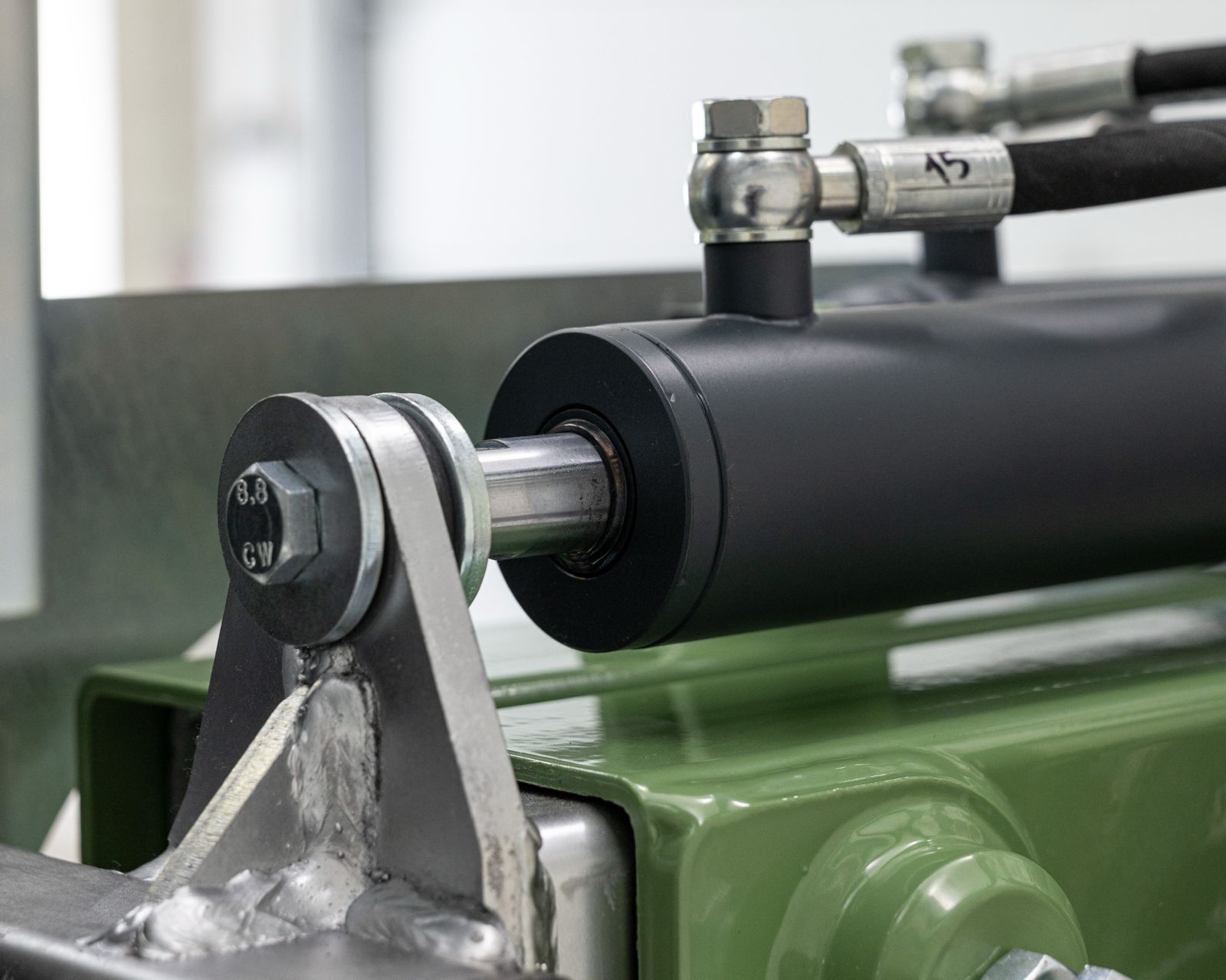
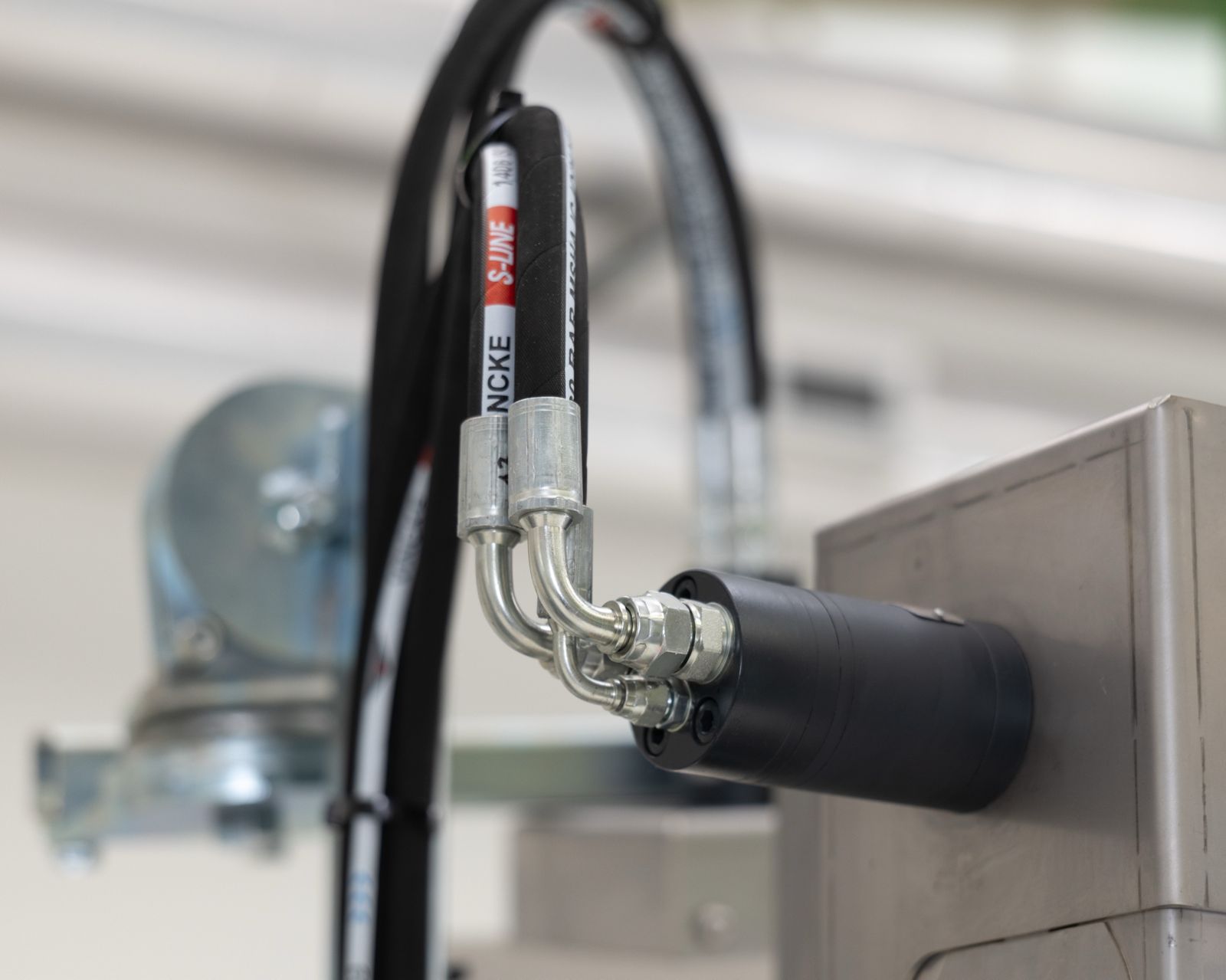
- Hydraulic System: Inspect the hydraulic hoses for cracks or oil leaks. Also check the oil level in the tractor or hydraulic power pack and ensure that the quick couplings are clean.
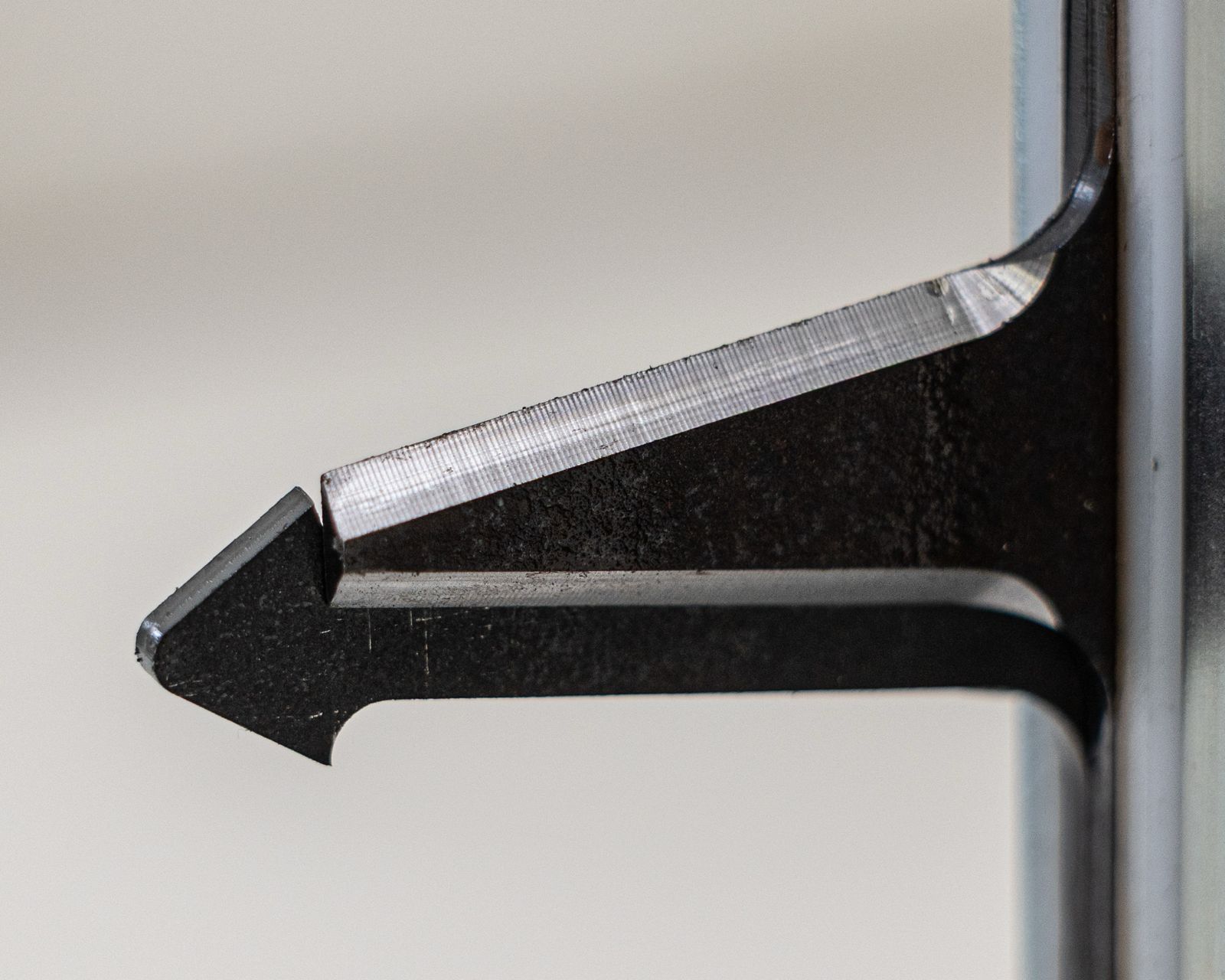
- Cutting Components: For rotary knives, ensure that the blades are sharp, correctly balanced and free from cracks (unbalanced blades cause vibrations that can damage the machine). For sickle-bar cutters, check the clearance between the blade and the counter-blade, sharpening the teeth where necessary.
- Lubrication: Lubricate all designated lubrication points and spindle bearings using the appropriate grease.
- Safety Systems: Test the anti-shock safety springs, which allow the cutting bar to move backwards if it accidentally strikes a vineyard post.
2. During the Season (Daily and Weekly Maintenance)
Continuous work in the vineyard generates a significant build-up of dirt and places considerable strain on the equipment.
- Daily Cleaning: At the end of each working day, remove accumulated sap, leaves and branches trapped around the blades. Dried sap forms a hard layer that restricts the movement of the mechanisms and dulls the cutting edges.
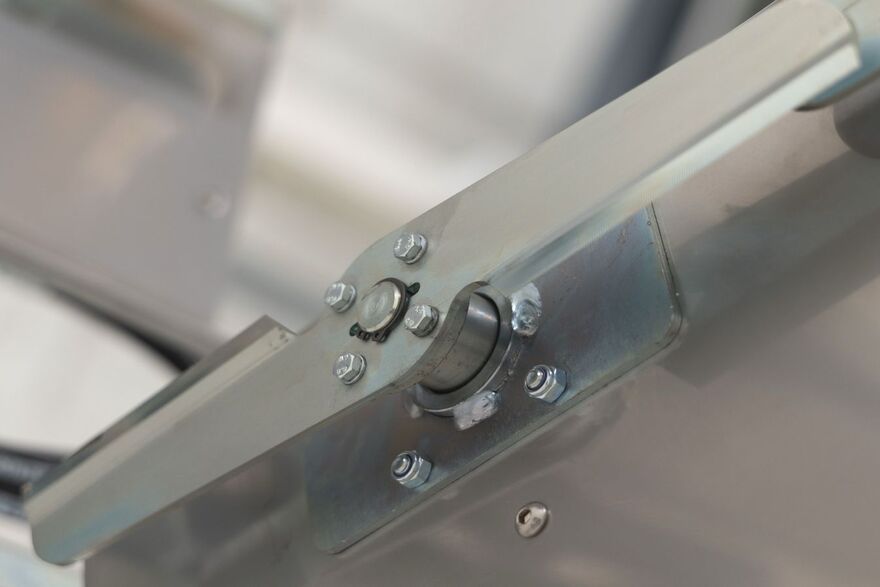
- Bolt Tightness Check: Due to the high vibration levels during operation, bolts may gradually loosen. Regularly check the tightness of the blades and the main support assemblies.
- Regular Lubrication: Apply grease to all moving joints every 8 to 10 working hours.
- Leak Inspection: Remain alert for hydraulic oil leaks or any loss of hydraulic pressure during operation.
3. At the End of the Season (Storage)
Preparing the machine for several months of inactivity helps prevent corrosion and ensures that it will be ready for work when the next season begins.
- Thorough Cleaning: Pressure wash the machine to remove all dirt and plant residues.
- Drying and Protection: Allow the machine to dry completely before applying an anti-corrosion spray (or a thin layer of oil) to the cutting components (blades) and to any exposed metal surfaces where the paint has been damaged.
- Storage Lubrication: Apply grease to all lubrication points to expel any moisture that may have entered during washing.
- Pressure Relief: Disconnect the hydraulic hoses, ensuring that no pressure remains in the system, and protect the hydraulic couplings.
- Storage: Store the equipment in a covered, dry and level location, resting on its original support stands to prevent structural distortion.
⚠️ The Golden Rule of Safety
Never take shortcuts! Any cleaning, sharpening or maintenance operation must always be carried out with the tractor engine switched off, the ignition key removed, and the equipment fully supported on the ground or on secure mechanical stands.
Never rely solely on the tractor's hydraulic system to keep the machine suspended while working on it.
At Pulverizadores Rocha, we are by your side throughout every stage of the agricultural cycle.
A rigorous preventive maintenance programme saves time, prevents costly downtime during the season and ensures precise, high-quality cutting.
Should you need to replace original wear parts, or require specialised technical support, please contact your Rocha distributor, who will be pleased to assist you with our full support.
Take the opportunity to share this article with other winegrowers as well. Together, we promote a stronger and more sustainable agriculture!