Training
Intelligent, efficient and sustainable spraying for olive groves in the Iberian Peninsula
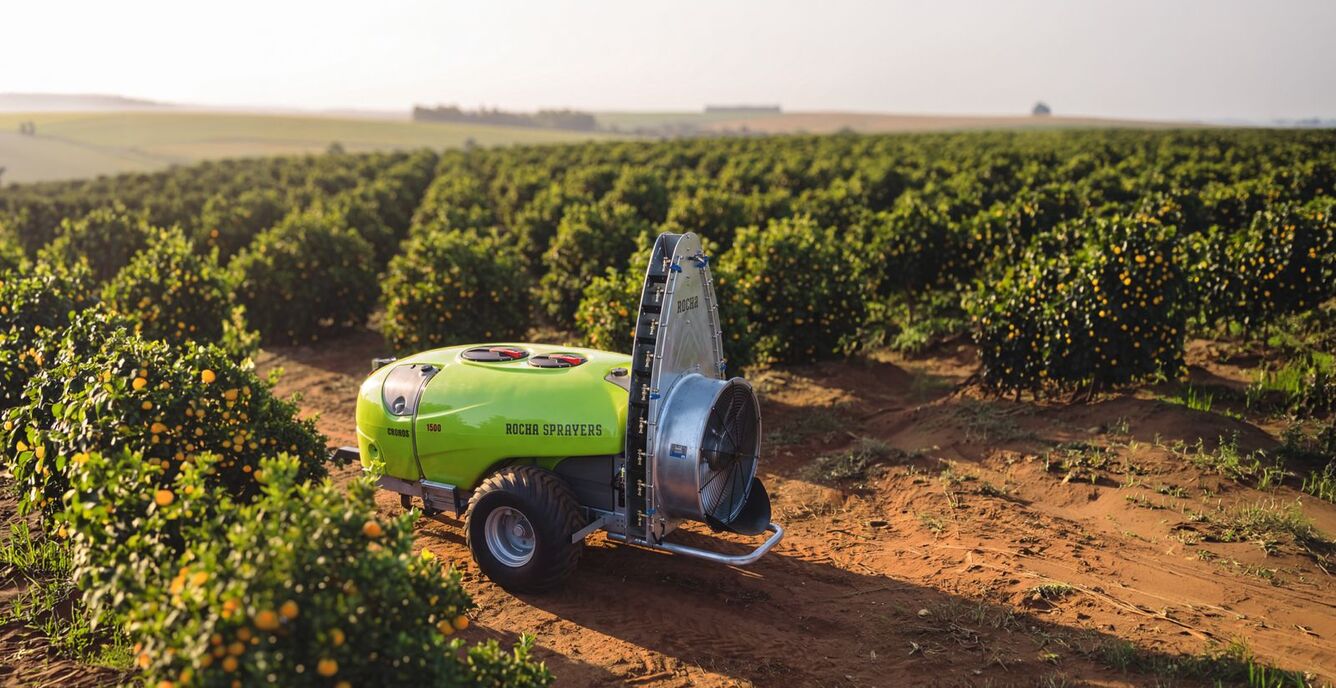
The olive grove sector in the Iberian Peninsula, and particularly in Portugal, is experiencing one of the most dynamic and technological eras in its history, with a profound structural transformation in olive fields over recent years.
The Iberian Peninsula is the beating heart of global olive growing. Together, Spain and Portugal lead not only in olive oil production volume, but also at the forefront of the technological transition of the sector.
While Spain, the global giant, continues to be the world’s largest producer, with an accelerated transition from traditional olive groves to denser and mechanised systems in regions such as Andalusia, Portugal, with the Alqueva Revolution in the Alentejo region, has recorded unprecedented growth, positioning itself as one of the most efficient producers in the world, focusing on high quality and highly competitive olive oil profiles internationally.
The evolution of planting systems requires completely different approaches:
- Traditional olive groves (Rainfed), characterised by large trees, wide spacing and low density, require spraying at height and penetration into dense canopies.
- With the emergence of Intensive Olive Groves, with trees arranged in regular spacing, treatments are more precise and faster to ensure productivity per hectare.
- In Super-Intensive Olive Grove systems (Hedgerow), with olive trees planted in continuous walls (hedges) at very high density, treatments must be fast, homogeneous, directed towards the leaf wall and with minimal drift waste.
With the intensification of production and the increasing demands caused by climate change, olive growers face critical phytosanitary challenges with a significant need to increase efficiency in order to guarantee sustainability and environmental protection.
Wasting product through drift is no longer just a financial cost; it is an environmental offence recognised in legislation. European directives require a drastic reduction in pesticide use and rigorous efficiency in application. Pest and disease pressure requires strict treatment scheduling and the use of appropriate techniques that guarantee full leaf coverage.
During Autumn/Winter, it is common to apply copper-based products to protect the tree against Anthracnose, Peacock Spot and leaf fall.
During Spring/Summer, contact fungicides with preventive action are applied, widely used to combat several fungal diseases, control olive moth and prepare for the prevention of Olive Fly attacks.
At specific moments in the vegetative cycle, it is also common to ensure foliar nutrition with applications of urea, potassium or boron.
With scarce resources such as water and working time, it is crucial to maximise tank autonomy and reduce refilling time.
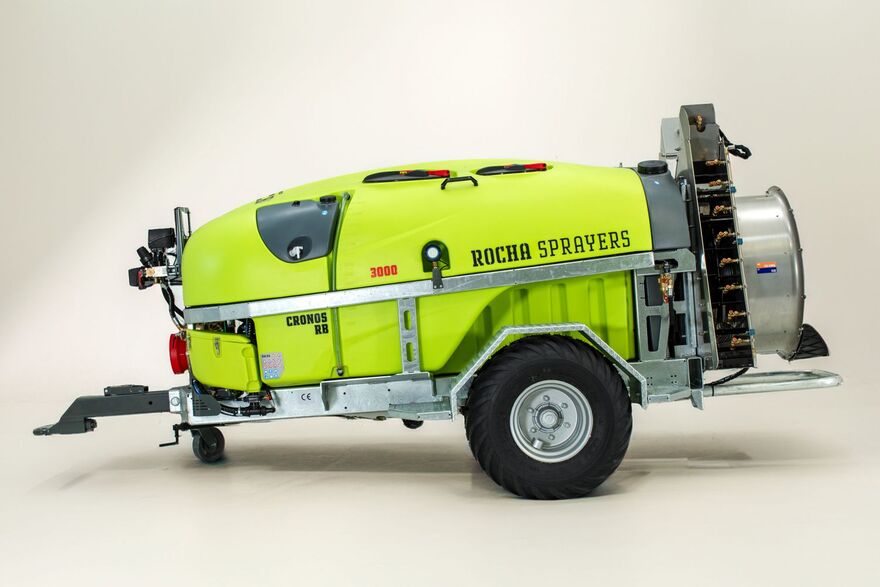
It is precisely in this scenario of ecological transition and modernisation that the Rocha Cronos Olive range positions itself as a strategic response.
With a technical team in the field, working alongside the various players in the sector, and an attentive R&D department constantly engaged in research and development, the Cronos Olive was specifically developed to respond to different orchard architectures, combining the robustness required for Iberian terrains with the precision technology demanded by modern agriculture.
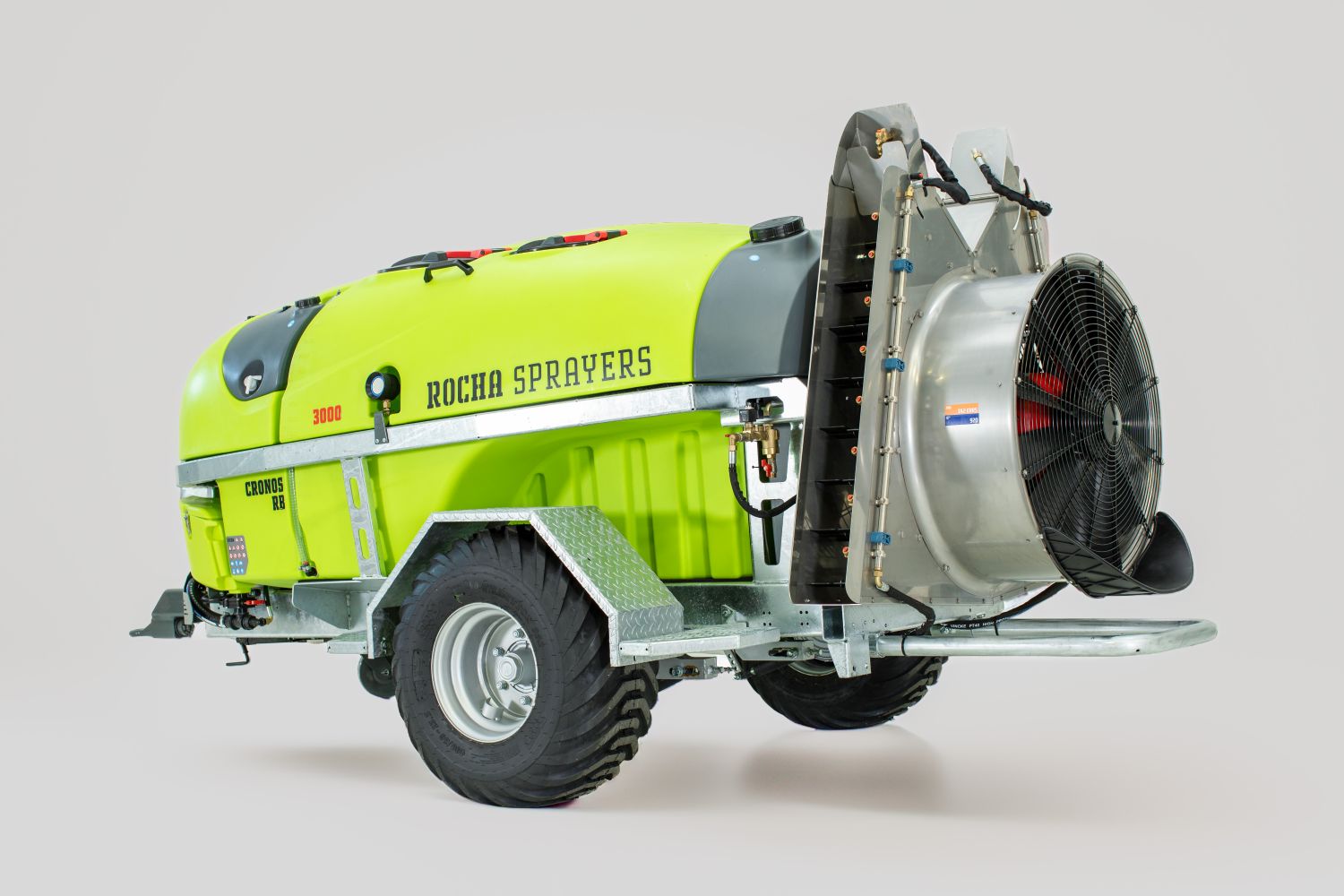
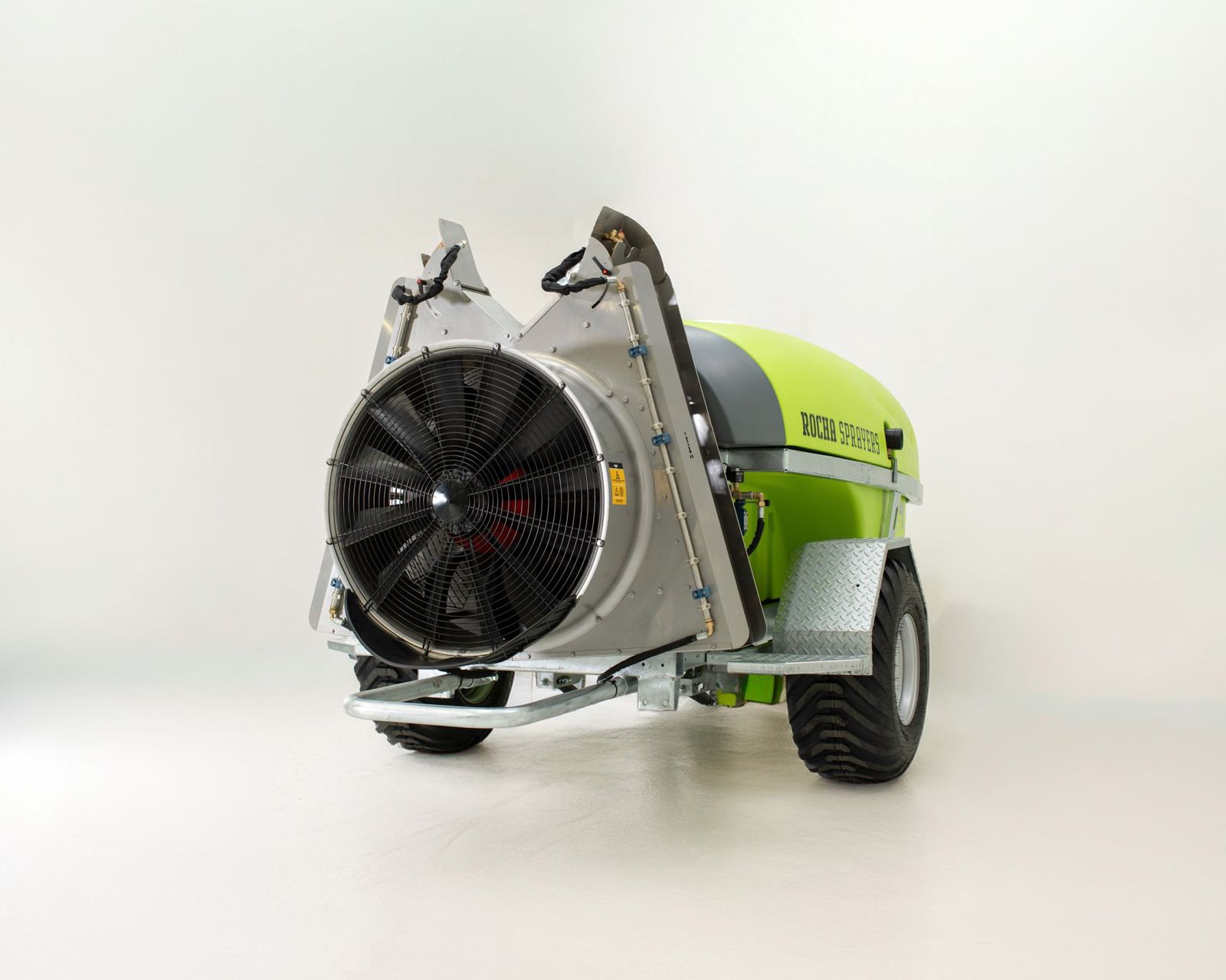
We are talking about a range of trailed equipment designed to harness and direct airflow towards the leaf mass, thereby achieving greater spray penetration into the interior of the plants.
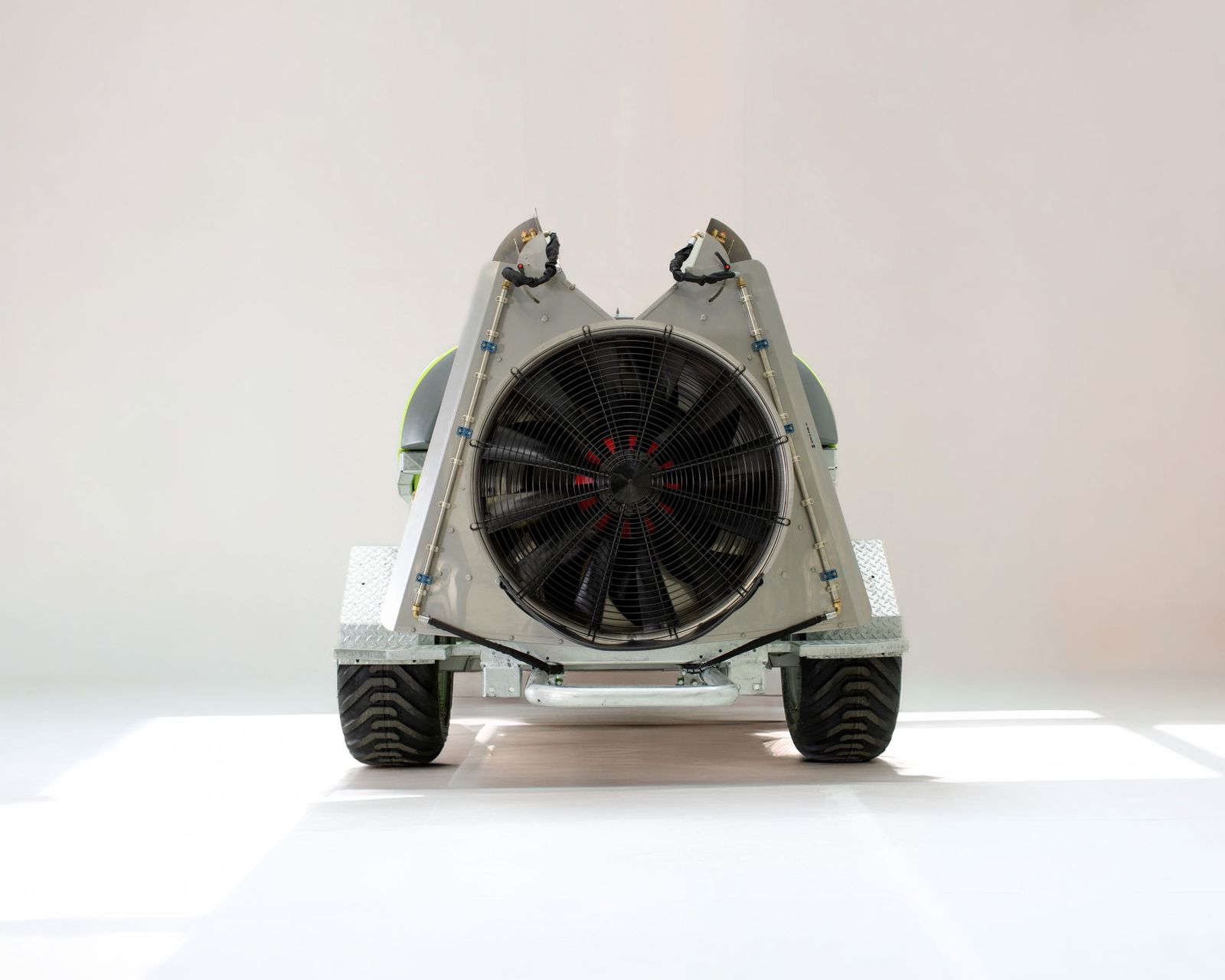
With tanks ranging from 1500 to 4000 litres, they stand out for their 2-speed turbine with neutral position and Ø 920 mm, 9-blade fan with centrifugal clutch, air pre-distributor (deflector), and 18 double M62 anti-drip nozzles.
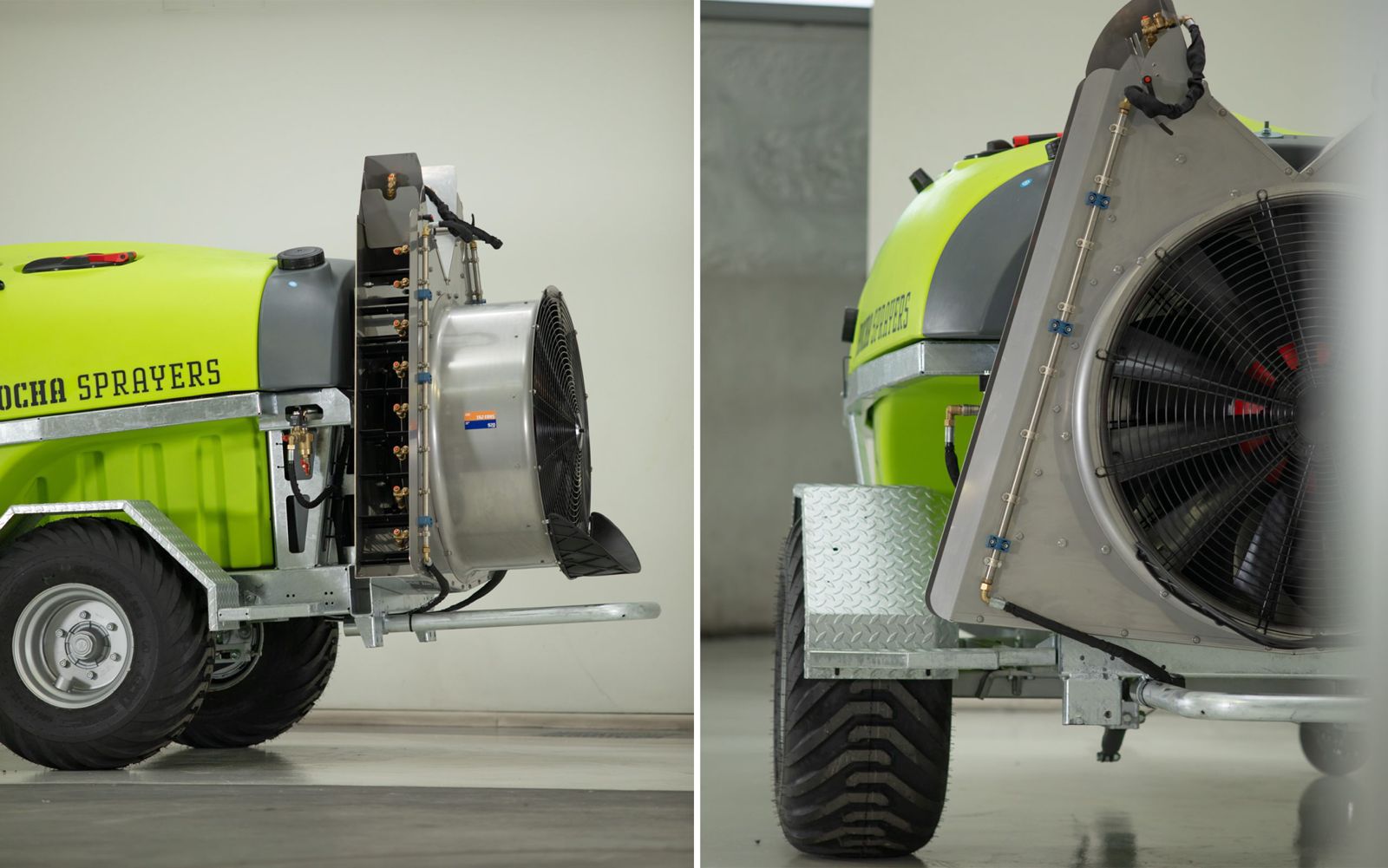
The turbine’s NVS technology delivers high performance (83,800 m3/h), with low tractor power absorption (>65 HP) and reduced noise levels (<95 dB). It guarantees perfect penetration into the olive tree canopy, reducing drift and ensuring that every drop of product fulfils its protective role, whether in the large canopies of traditional olive groves or the demanding leaf walls of super-intensive groves in Alentejo and Andalusia.
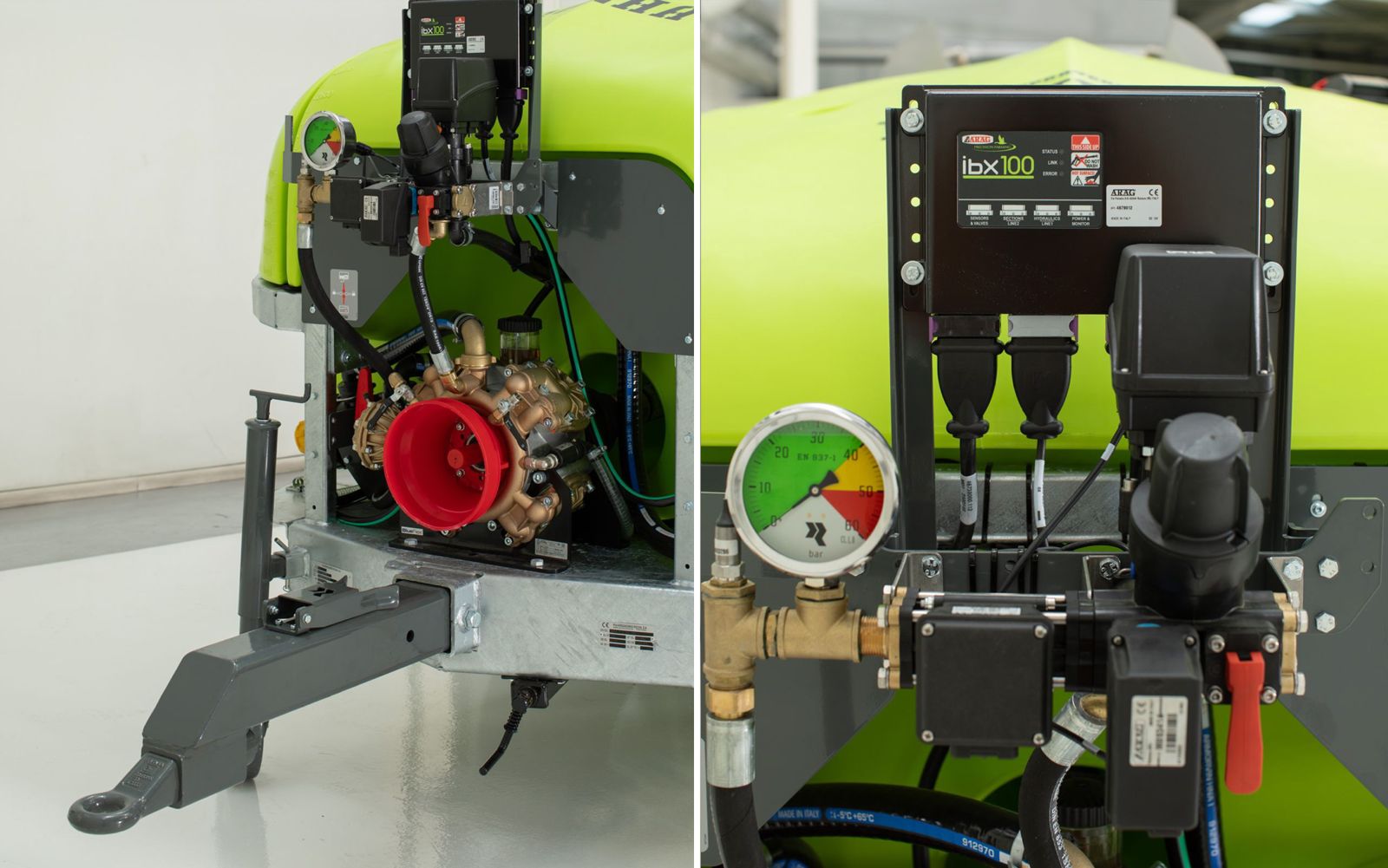
Flow control and drift reduction are achieved through the correct nozzle selection and the integration of precision agriculture systems (Agriculture 4.0).
The appropriate spray nozzles allow the desired flow rates to be applied with correctly sized droplets that ensure homogeneous spraying, without excessively breaking into mist (which would cause evaporation and wind drift) or becoming too coarse (which would cause runoff towards the edges or even the ground).
The computerised control units (Bravo 180S or Bravo 350S) regulate circuit pressure according to changes in forward speed in order to guarantee constant flow rates.
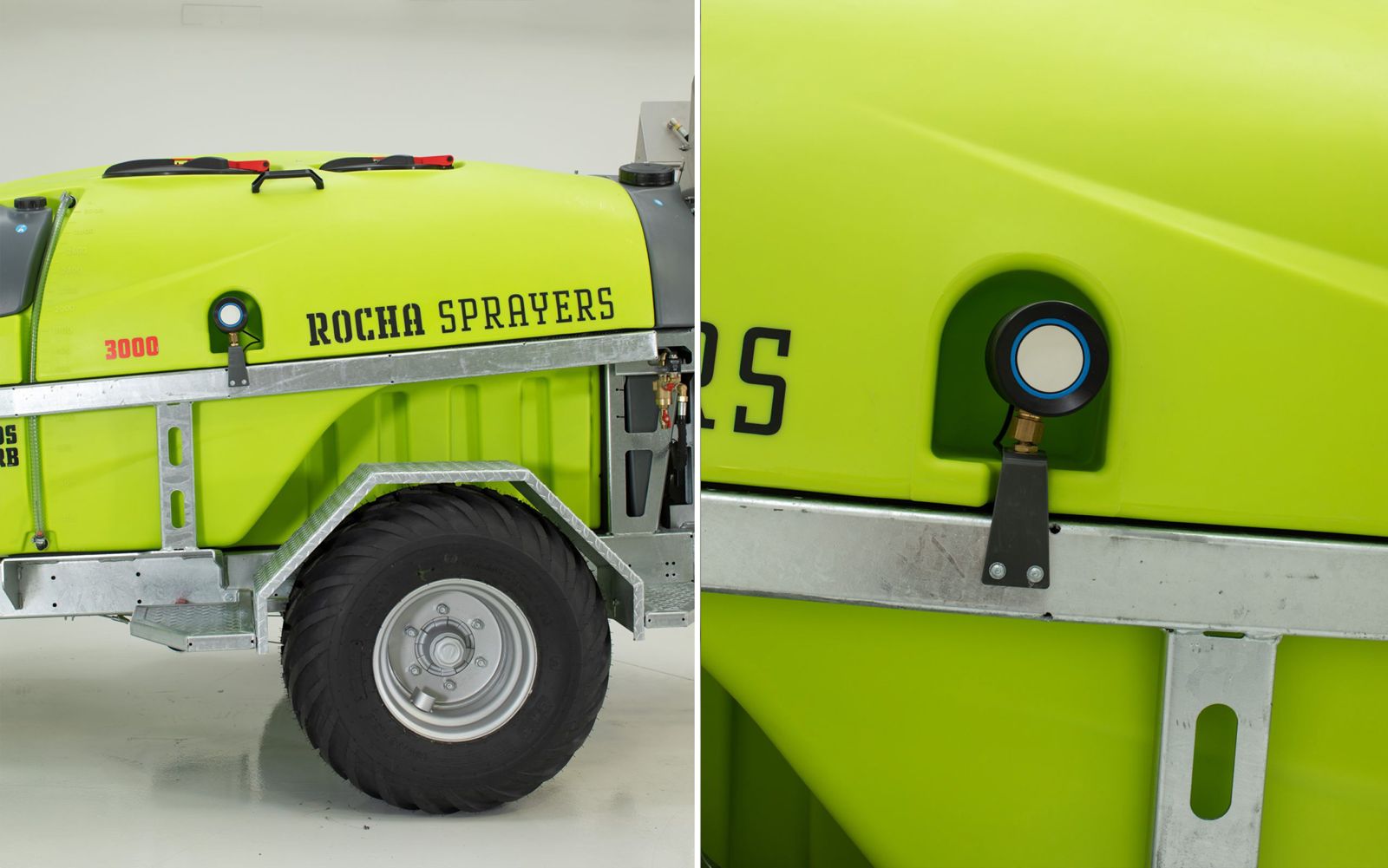
The VRT technological tool (Variable Rate Application) allows differentiated quantities to be applied in real time, based on soil or crop variability. This tool can be used when sprayers are equipped with ISOBUS or Waatic systems.
The ultrasonic sensor systems (Sonar), extremely useful whenever the canopies do not join together, as occurs in traditional and even intensive olive groves, detect the presence of the tree canopy and spray only where there is leaf mass, shutting off in the empty spaces between olive trees.
In addition to these equipment combinations that can make a Cronos Olive the right option for the type of olive grove area, there are many other optional features that can make a difference.
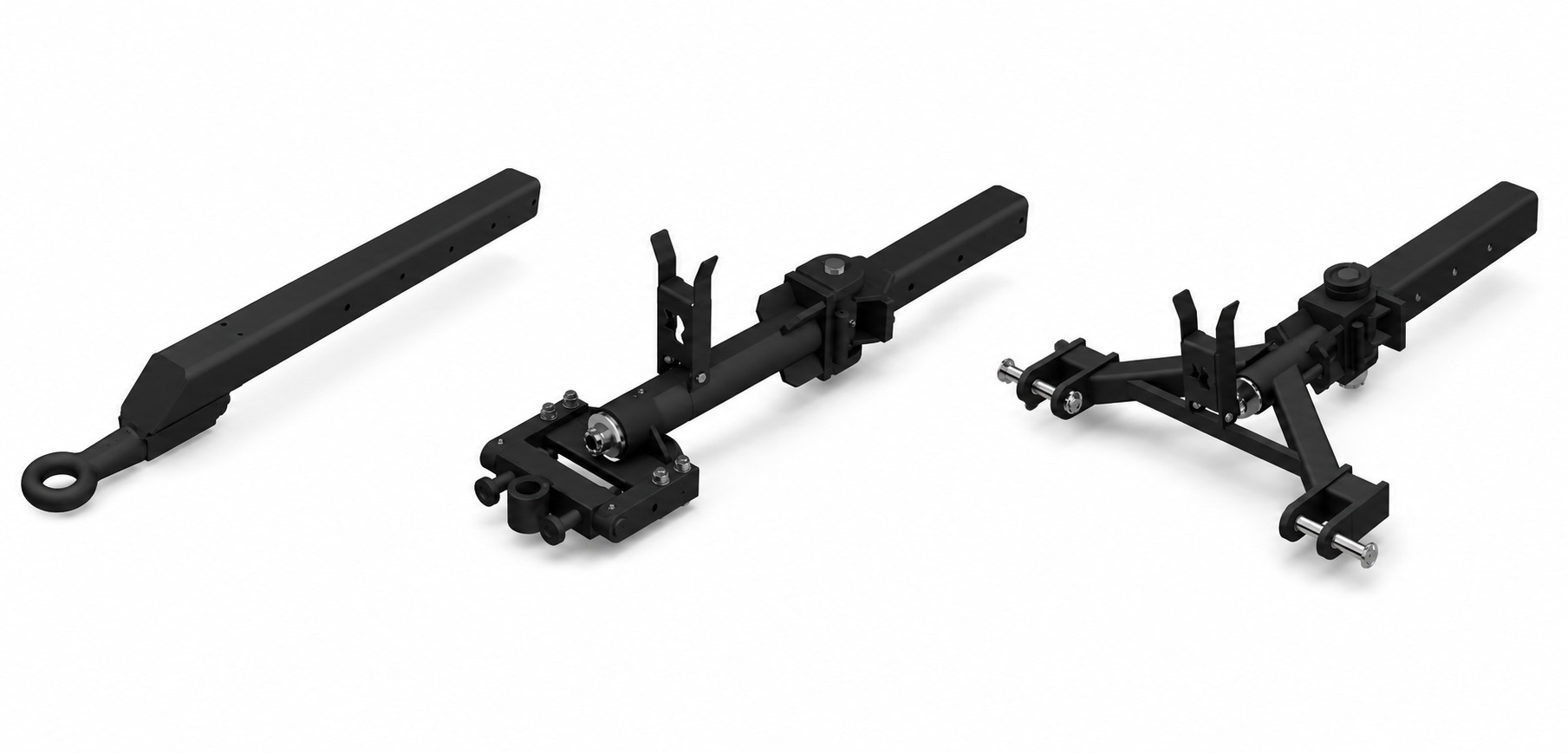
The rotating drawbars for linkage arms or hitch ring coupling, instead of the standard fixed drawbar, facilitate turning at headlands, reducing the turning radius where headlands are short.
The 400/60R15.3 wheels with traction tread increase stability, reduce compaction and facilitate traction, even on wetter terrain.
Stability is also improved with the inclusion of the axle widening kit, while the hydraulic braking system ensures safety on steeper terrain or with lower-capacity tractors.
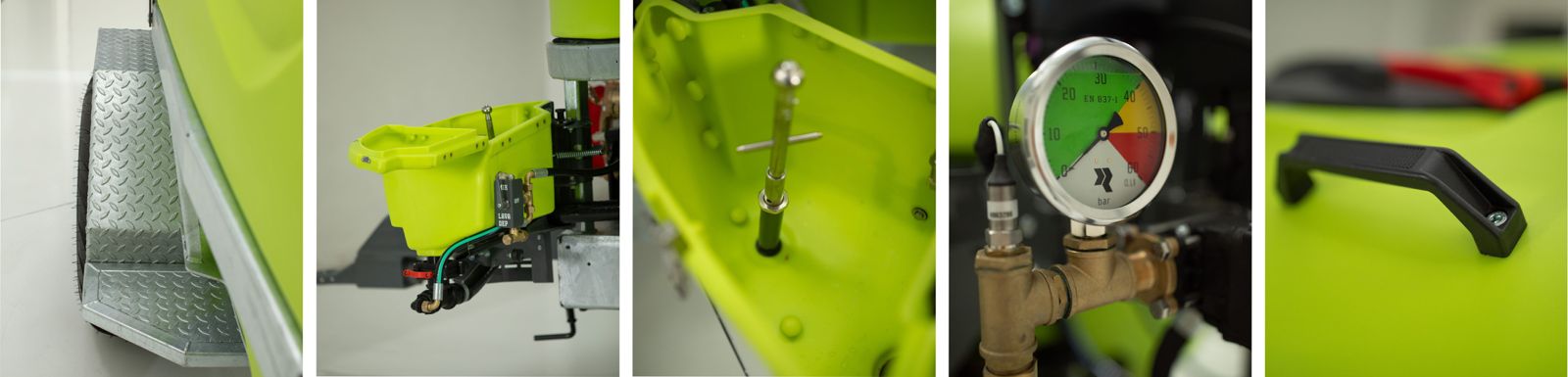
In addition to all this, several auxiliary systems are available for preparing and maintaining spray mixture homogeneity. These include the pre-mixing kit, an excellent and convenient aid that allows the spray mixture to be prepared before being added to the main tank, and double agitator systems or a more advanced agitator (Euromix) that keep the mixture homogenised inside the tank in order to prevent product deposition.
With the objective of achieving maximum efficiency with maximum environmental protection, the Rocha technical-commercial team is available to support the configuration of the Rocha Cronos Olive sprayer that best suits the intended reality.