Training
Rocha Technology at the Service of Algarve Citrus Growing
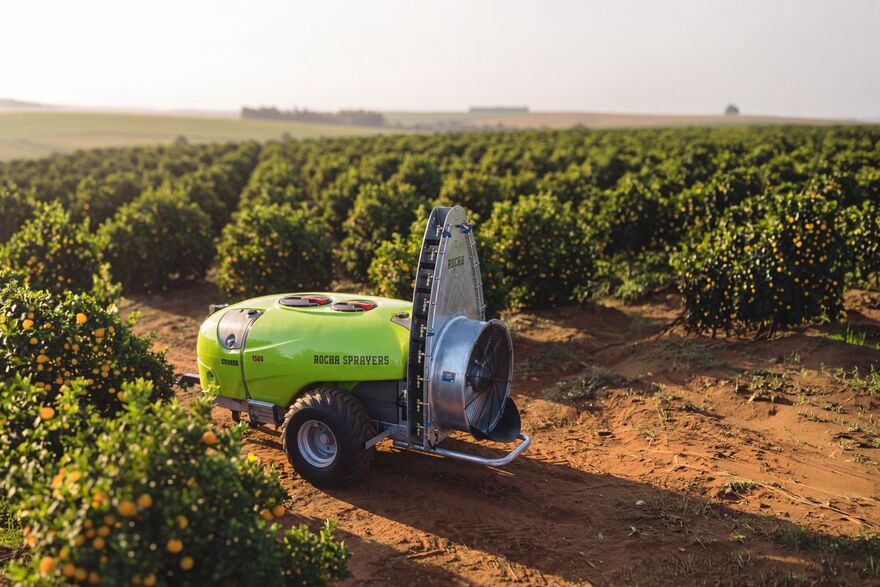
Citrus growing is one of the cornerstones of agriculture in the Algarve, playing a vital role in the regional economy, job creation and the enhancement of the region. Thanks to its favourable soil and climatic conditions, the Algarve is Portugal's leading citrus-producing region, typically accounting for around 85% of the country's total production, with annual volumes exceeding 335,000 tonnes in the best seasons and approximately three quarters of the national cultivated area.
The Mediterranean climate, characterised by mild winters, hot summers and more than 3,000 hours of sunshine each year, combined with the expertise of local growers and the increasing modernisation of agricultural holdings, provides ideal conditions for producing premium-quality fruit.
Oranges clearly dominate regional production, accounting for approximately 84% of the total, with varieties such as Newhall, Lane Late and Valencia Late standing out. They are followed by mandarins and clementines, representing around 8% of production, lemons with approximately 7%, and, to a lesser extent, other citrus fruits such as limes and grapefruits.
The excellence of these fruits is recognised through the "Algarve Citrus – Protected Geographical Indication (PGI)" certification, a quality label that guarantees their origin and certifies distinctive characteristics such as their thin, glossy peel, high juice content and the perfect balance between sweetness and acidity, making Algarve citrus fruits highly regarded in both national and international markets.
The sector is strongly organised through cooperatives and producer organisations responsible for grading, processing, packaging, marketing and adding value to production. Although a significant proportion of the harvest is absorbed by the domestic market, exports continue to grow steadily, with France firmly established as one of the main destinations alongside increasing demand from markets such as Spain and Germany, among others. At the same time, non-EU markets, including Canada, represent strategic diversification opportunities for Portuguese producers.
The Challenges of Modern Citrus Growing
Despite its economic importance, citrus growing currently faces highly complex challenges that require farms to adapt continuously.
Water scarcity is probably the greatest structural challenge facing the future of citrus production in the Algarve. Consecutive years of drought and declining reservoir levels are forcing growers to manage water resources with ever greater efficiency, seeking to maximise productivity from every cubic metre used.
At the same time, climate change is creating new challenges associated with extreme temperature events, increasingly irregular rainfall patterns and changes in the behaviour of various pests and diseases.
From a plant health perspective, the Mediterranean Fruit Fly remains one of the crop's main pests, requiring rigorous monitoring and control strategies. At the same time, Portugal maintains continuous surveillance for the African Citrus Psyllid (Trioza erytreae), the insect vector of the bacterium associated with Huanglongbing (HLB), also known as Citrus Greening, which is considered one of the most destructive citrus diseases worldwide.
These challenges are compounded by rising production costs, particularly for energy, fertilisers, crop protection products and labour, all of which place considerable pressure on the profitability of agricultural holdings.
Innovation as the Answer
In response to this reality, citrus growers in the Algarve have accelerated the adoption of increasingly advanced crop management systems that enable higher productivity, greater efficiency and a lower environmental impact.
Localised irrigation systems, particularly drip irrigation, combined with soil moisture sensors, weather stations and decision-support tools, allow far more efficient management of available water resources, reducing waste while optimising tree development.
At the same time, major investments planned under Portugal's Recovery and Resilience Plan (RRP) for the region — including desalination projects, improvements to the efficiency of hydraulic infrastructures and the reinforcement of interconnections between water supply systems — will play a decisive role in strengthening the water resilience of Algarve agriculture in the coming years.
Significant progress has also been made in the field of plant protection.
The adoption of the principles of Integrated Pest Management (IPM) prioritises pest monitoring, the use of biological control agents and the implementation of preventive strategies, reducing the need for chemical interventions whenever possible.
However, whenever the application of crop protection products becomes essential, the effectiveness of the spraying operation plays a decisive role.
More than simply selecting the appropriate product, it is essential to ensure that it is applied at the correct dose, at the right time and using equipment capable of distributing the spray mixture evenly across the biological target, while simultaneously minimising losses caused by drift, evaporation or run-off.
In this context, the quality of the sprayer is no longer merely an operational consideration but has become a decisive factor in both the economic profitability of the farm and the environmental sustainability of agricultural production.
The Importance of Spraying Technology
The demands of modern agriculture extend far beyond the simple application of a crop protection product.
Growing concerns regarding environmental protection, the sustainable use of crop protection products and compliance with European regulations require growers to invest in equipment capable of maximising the efficiency of every treatment.
In citrus production, this challenge is particularly demanding.
The canopies of orange and mandarin trees are typically characterised by dense foliage, making it difficult for the spray to penetrate into the inner parts of the tree. When the airflow is insufficient or the spray mixture is not distributed evenly, a significant proportion of the product may remain on the outer canopy or be lost through drift and run-off, reducing the overall effectiveness of the treatment.
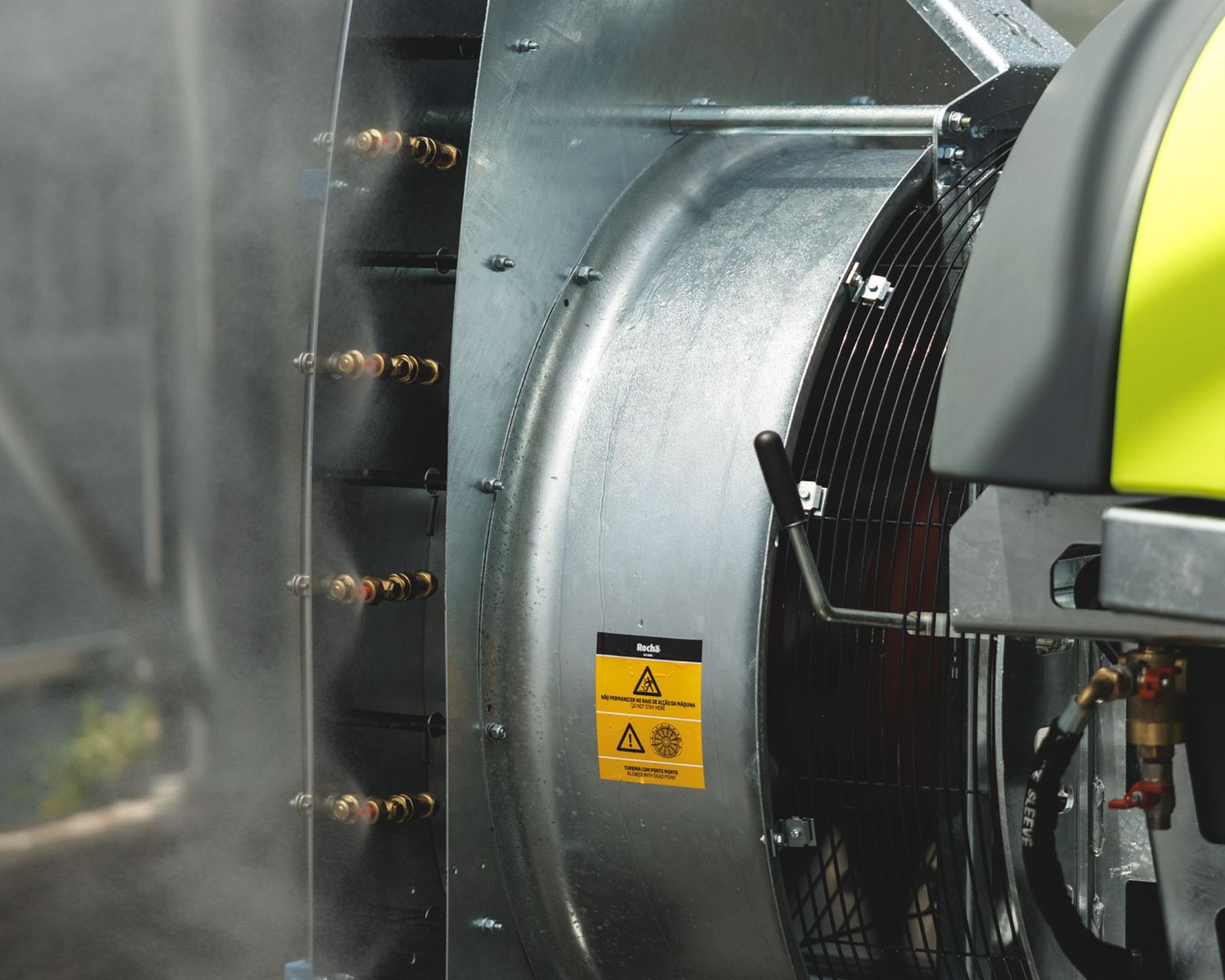
Achieving uniform coverage, including the underside of the leaves—where many pests commonly establish themselves—depends directly on the combination of the air volume produced, its direction, the correct selection of spray nozzles and the proper calibration of the equipment.
It was precisely to meet the specific requirements of citrus production that the Pulverizadores Rocha Research & Development team worked closely with growers, technical specialists, distributors and other key stakeholders across the Algarve region.
CRONOS LG NVS: Developed to Meet the Demands of Citrus Growing
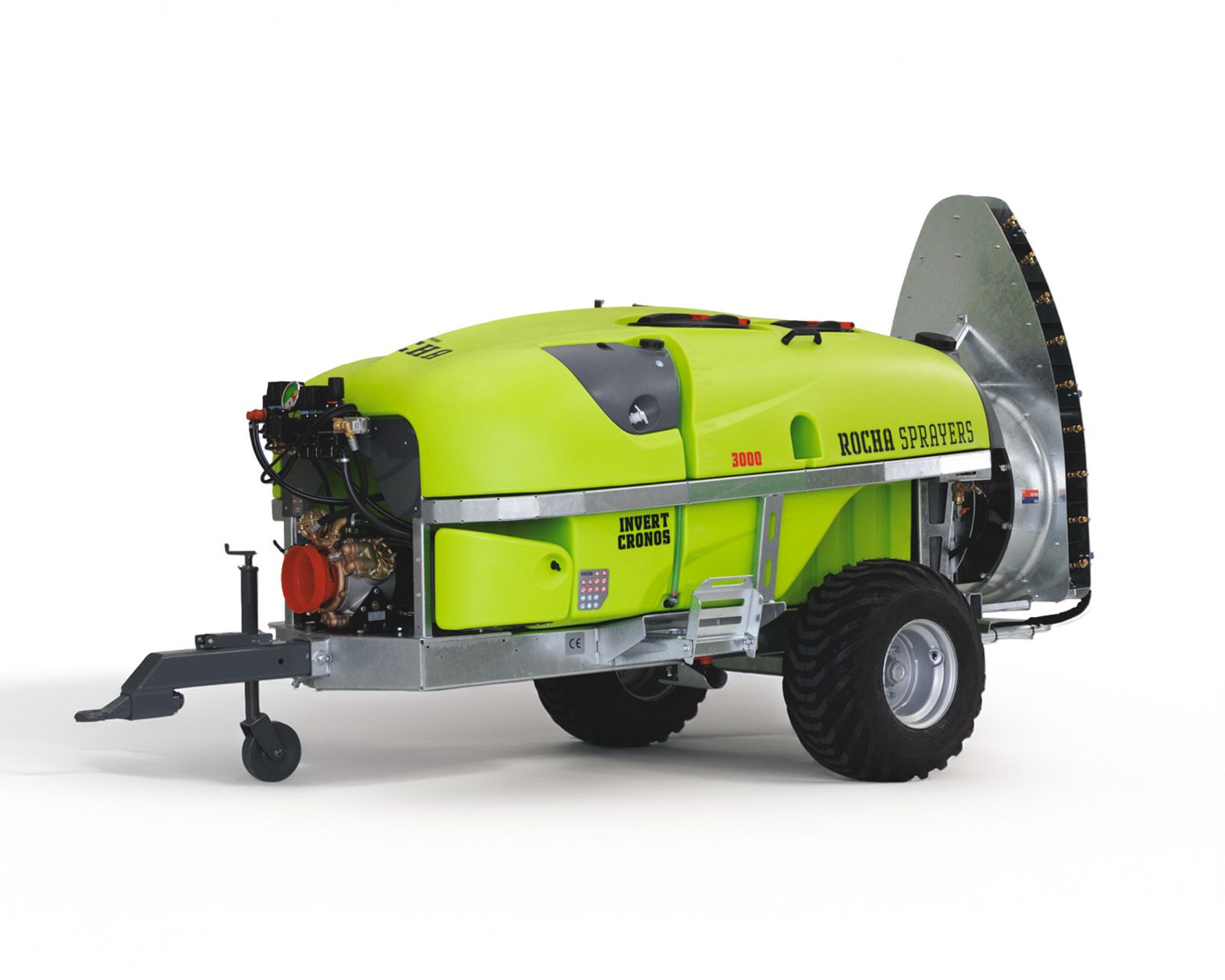
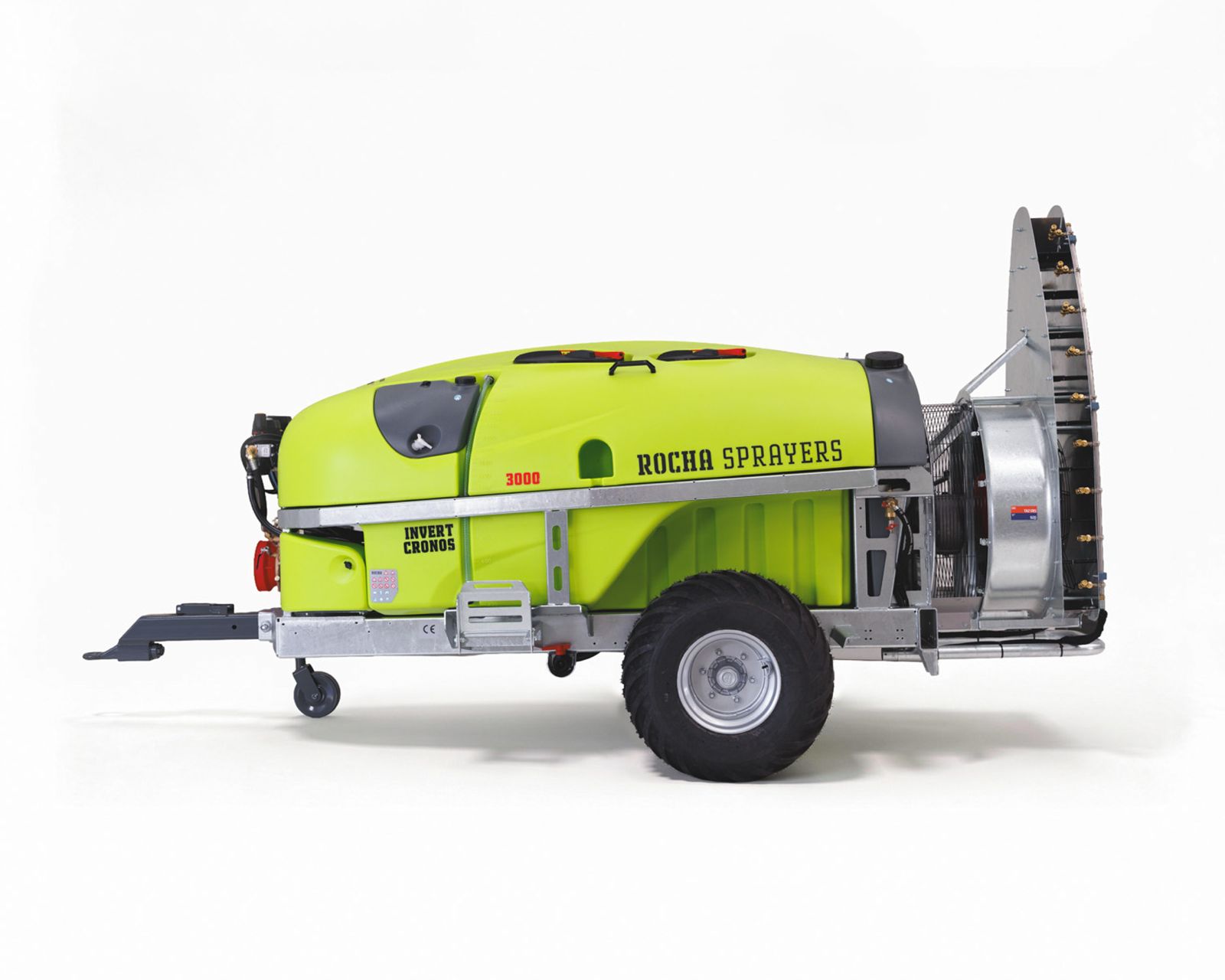
The outcome of this development programme was the Cronos LG NVS range, specifically designed to meet the characteristics of modern citrus orchards by combining excellent spray penetration, reduced drift, evaporation and run-off, high operational efficiency and respect for the environment.
LG Air Tower: Directing the Air Exactly Where It Matters
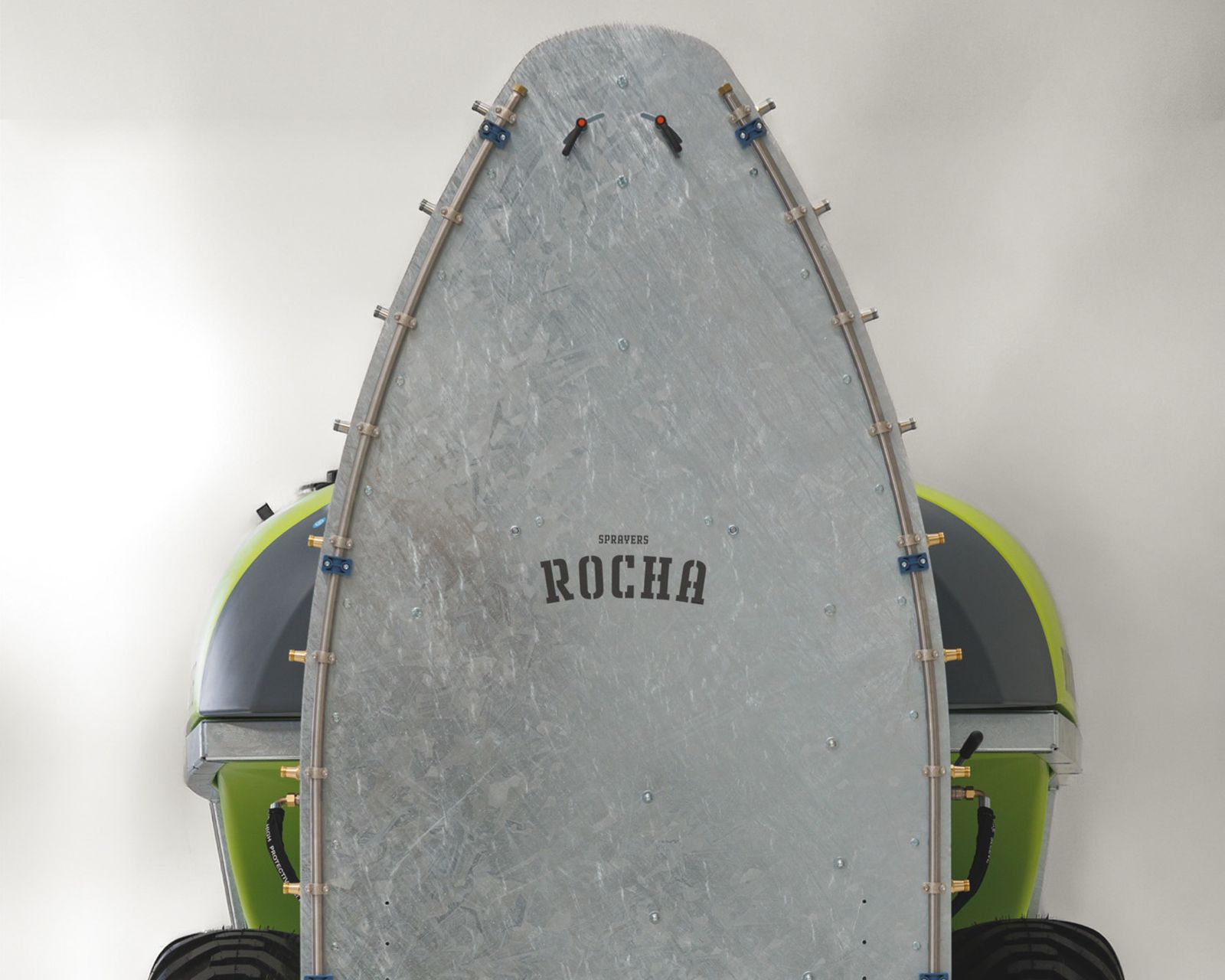
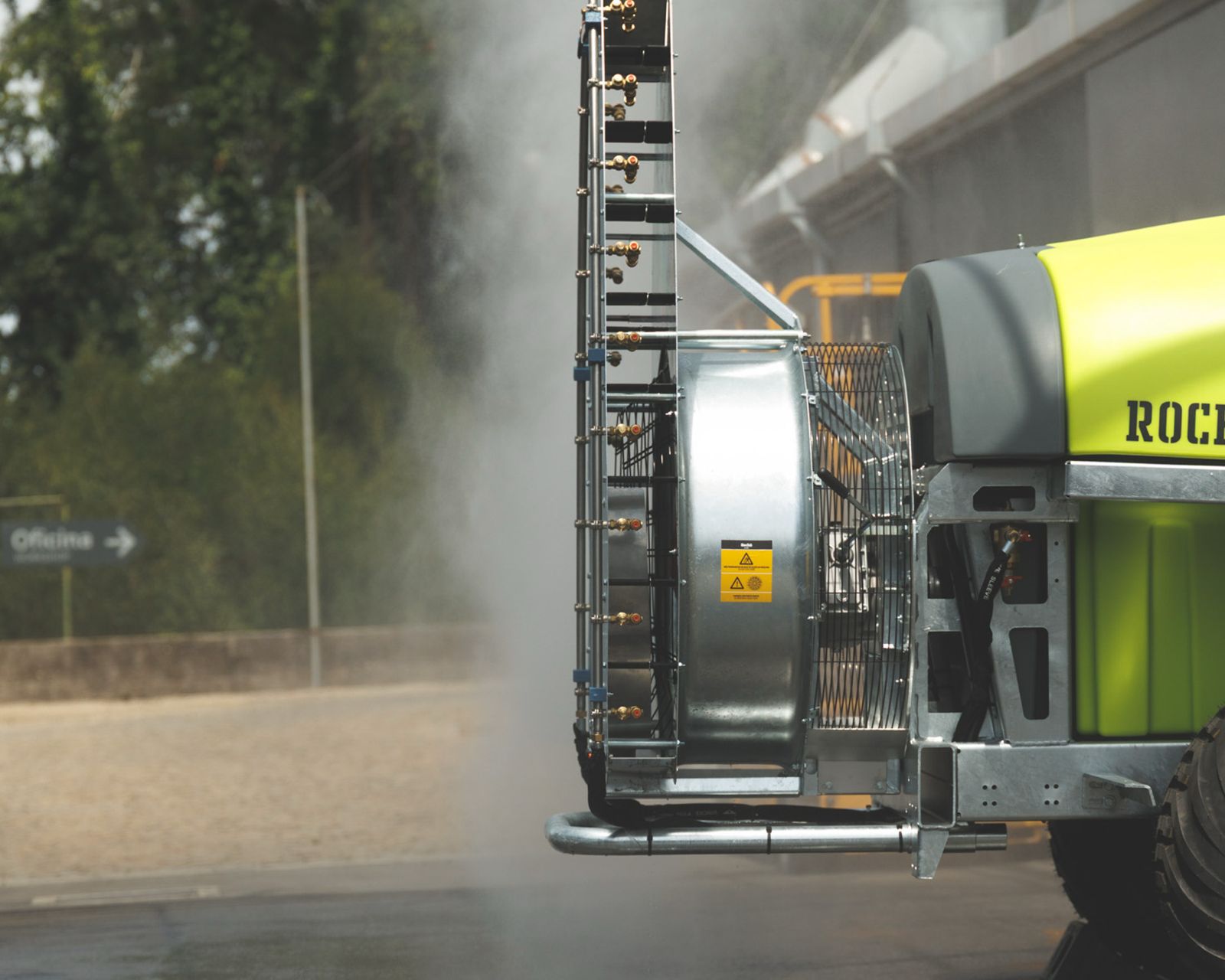
One of the distinguishing features of this range is the LG teardrop-shaped air tower, whose geometry has been specifically designed to follow the natural profile of citrus tree canopies.
This configuration allows the airflow to be distributed more evenly throughout the vegetation, improving spray penetration into the inner sections of the canopy and increasing coverage of the plant surfaces, including the underside of the leaves, where many pests frequently establish themselves.
By following the contour of the trees, the LG air tower also helps minimise mechanical contact with branches, blossoms and fruit, reducing the risk of damage during spraying operations.
NVS Technology: High Performance with Outstanding Efficiency
At the heart of the Cronos LG NVS lies its high-performance fan.
Depending on the version installed, NVS technology delivers airflows of up to approximately 61,900 m³/h with the Ø 820 mm fan and 83,800 m³/h with the Ø 920 mm fan, while maintaining low tractor power requirements (>50 hp for the Ø 820 mm and >65 hp for the Ø 920 mm) together with low operating noise levels (<95 dB).
Mounted models are available with Ø 820 mm and Ø 920 mm fans, while trailed models are equipped with the Ø 920 mm version. Both feature two-speed transmission with neutral, allowing the airflow to be easily adapted to the crop characteristics and working conditions.
The fan, equipped with nine blades, a centrifugal clutch and an air pre-distributor (deflector), ensures an even distribution of airflow throughout the spray towers.
The 18 M62 double nozzle holders with anti-drip system provide exceptional flexibility, enabling the most suitable spray configuration to be selected for each treatment.
Efficient Spraying Starts with the Right Nozzle Selection
Closely linked to sprayer performance, the correct selection of spray nozzles remains one of the most important factors in achieving successful crop protection treatments.
The objective is to produce droplets of the appropriate size for the biological target and prevailing weather conditions, ensuring uniform coverage throughout the crop canopy.
Excessively fine droplets are more susceptible to evaporation and wind drift, whereas overly coarse droplets tend to cause run-off and provide poorer coverage of leaf surfaces.
For this reason, the choice of nozzle type, flow rate, operating pressure and forward speed should always be made in accordance with the manufacturer's recommendations and recognised best practices for the application of crop protection products.
Precision Agriculture Supporting Modern Citrus Production
The technological evolution of Rocha sprayers now enables the integration of Agriculture 4.0 solutions that significantly improve application efficiency.
Among these solutions are the Bravo 180S and Bravo 350S electronic controllers, which automatically adjust circuit pressure according to the tractor's forward speed, ensuring a constant application rate per hectare even when working speed varies during operation.
This functionality contributes to greater application uniformity while reducing the risk of over- or under-application.
Ultrasonic Sensors – Sonar
Another particularly valuable technology is the use of ultrasonic sensors.
In young orchards, rows with missing trees or at headlands, these sensors detect the presence or absence of vegetation and automatically activate or deactivate the corresponding spray sections.
As a result, spraying takes place only where vegetation is present, reducing spray mixture consumption, product waste and environmental impact.
Variable Rate Technology (VRT)
As the adoption of Precision Agriculture continues to grow, so too does interest in Variable Rate Technology (VRT).
This technology automatically adjusts the amount of product applied according to the specific requirements of the crop, using prescription maps or sensors that identify variability within the field.
When integrated into equipment compatible with ISOBUS or platforms such as WAATIC, this functionality enables even more efficient treatment management, promoting a more rational use of production inputs.
Capacity to Suit Every Farming Operation
The Cronos LG NVS is available in a wide range of tank capacities, enabling it to meet the requirements of different farming operations. It can be matched to the size of the holding and the desired working autonomy, reducing refill stops and increasing daily productivity.
Mounted models are available with tank capacities ranging from 600 to 1,200 litres, while trailed models are available from 1,000 to 4,000 litres.
Optional Features That Make the Difference
The versatility of the Cronos LG NVS range is further enhanced by a selection of optional features developed to meet the diverse working conditions encountered in Portuguese orchards.
For trailed models, the rotating drawbar, available for connection either to the tractor's lower linkage arms or to the hitch point, significantly improves manoeuvrability in short headlands by reducing the turning radius and facilitating row changes.
400/60 R15.3 tyres, fitted with agricultural tread, increase machine stability, reduce soil compaction and improve performance on wetter ground conditions.
Whenever working conditions require it, the hydraulic braking system provides an important additional safety feature, particularly on steep terrain or when operating with lighter tractors.
Spray Mixture Preparation and Management
The efficiency of any treatment also depends on the correct preparation of the spray mixture.
For this reason, the Cronos LG NVS can be equipped with a pre-mixing kit, which facilitates the incorporation of crop protection products before they enter the main tank, ensuring safer handling and a more homogeneous mixture.
To maintain the suspension of products throughout the spraying operation, reinforced agitation systems are also available, including the Euromix system, particularly recommended for formulations requiring intensive mixing.
In addition, the independent clean-water tank dedicated to circuit rinsing allows the equipment to be cleaned quickly and efficiently, contributing to proper sprayer maintenance and compliance with recognised agricultural and environmental best practices.
Supporting More Sustainable Agriculture
Modern agriculture demands increasingly efficient equipment capable of combining productivity, profitability and sustainability. Environmental protection and compliance with European safety standards—fundamental pillars supporting PGI certification—are core principles at Pulverizadores Rocha. Beyond supplying equipment, Pulverizadores Rocha provides the expertise of its technical and commercial team to configure the solution best suited to the characteristics of each farming operation, helping every grower make the most of spraying technology to produce more and better, while using resources responsibly and protecting the environment for future generations.