Training
Cleaning and Maintenance of Spraying Equipment
At Pulverizadores Rocha, we believe that efficiency in the field begins with informed decisions and consistent day-to-day practices.
As part of our monthly series dedicated to Agricultural Best Practices, where each month we address an essential topic to help optimise results, reduce waste and promote more sustainable production, we present this month's topic:
Cleaning and Maintenance of Spraying Equipment: the key to maintaining sprayer efficiency
In the previous article in our Agricultural Best Practices series, we discussed the importance of sprayer calibration in ensuring the accurate and effective application of plant protection products.
However, even perfect calibration quickly loses its effectiveness if the equipment is not properly cleaned and maintained. A well-maintained sprayer operates with greater precision, reduces breakdowns, prevents cross-contamination between treatments and significantly extends its service life.
In this article, we present the main cleaning and maintenance operations that should form part of every operator's routine.
Why is it important to clean and maintain the sprayer?
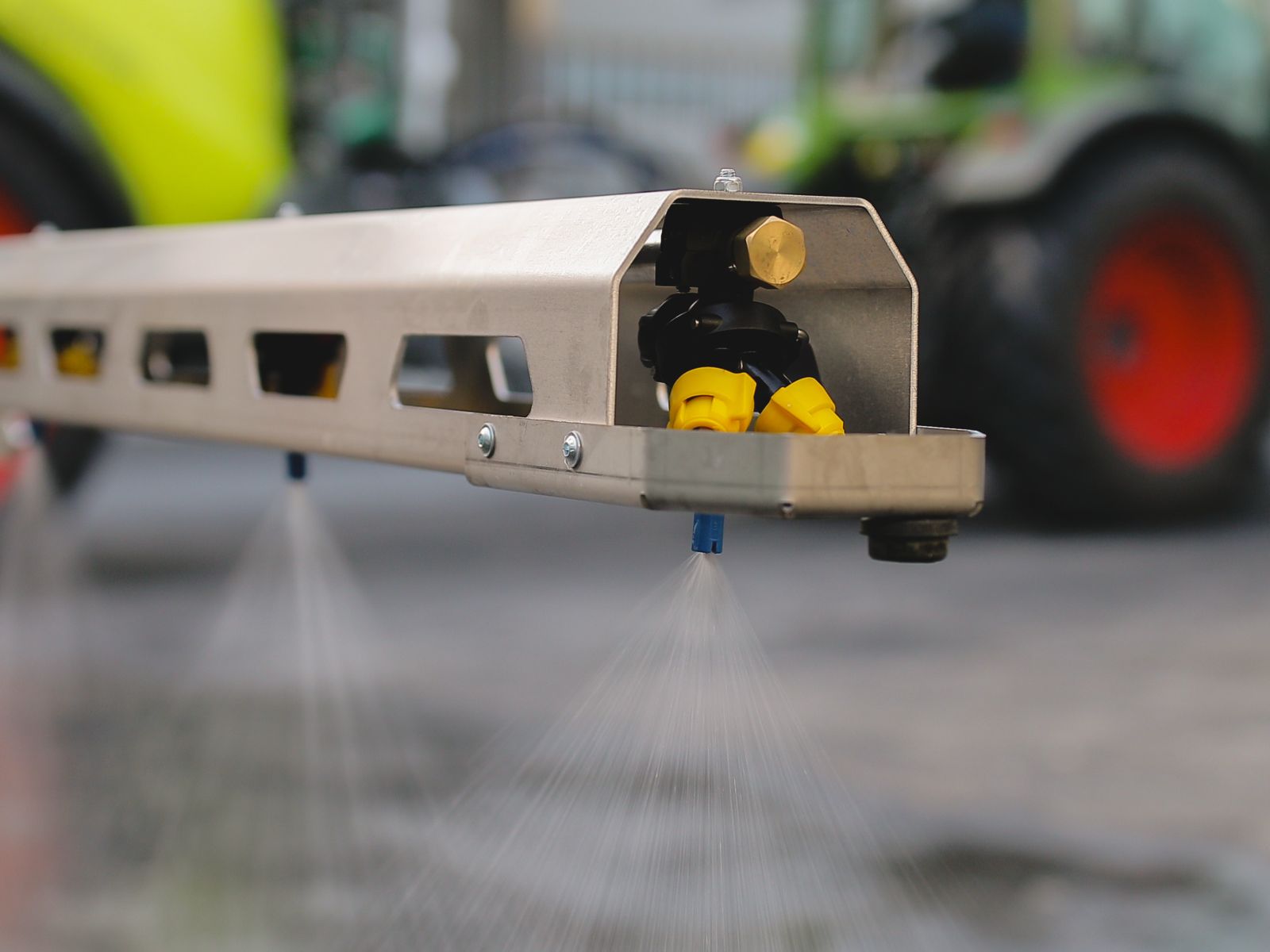
During each treatment, residues of plant protection products remain inside the tank, filters, hoses, control unit, pump and nozzles. If they are not removed, these residues may:
- Cause blockages;
- Alter nozzle flow rates;
- Contaminate subsequent treatments;
- Accelerate component wear;
- Compromise application effectiveness.
Preventive maintenance avoids these problems and ensures that the sprayer is always ready to operate under the best possible conditions.
The advantages of a Circuit Washing System
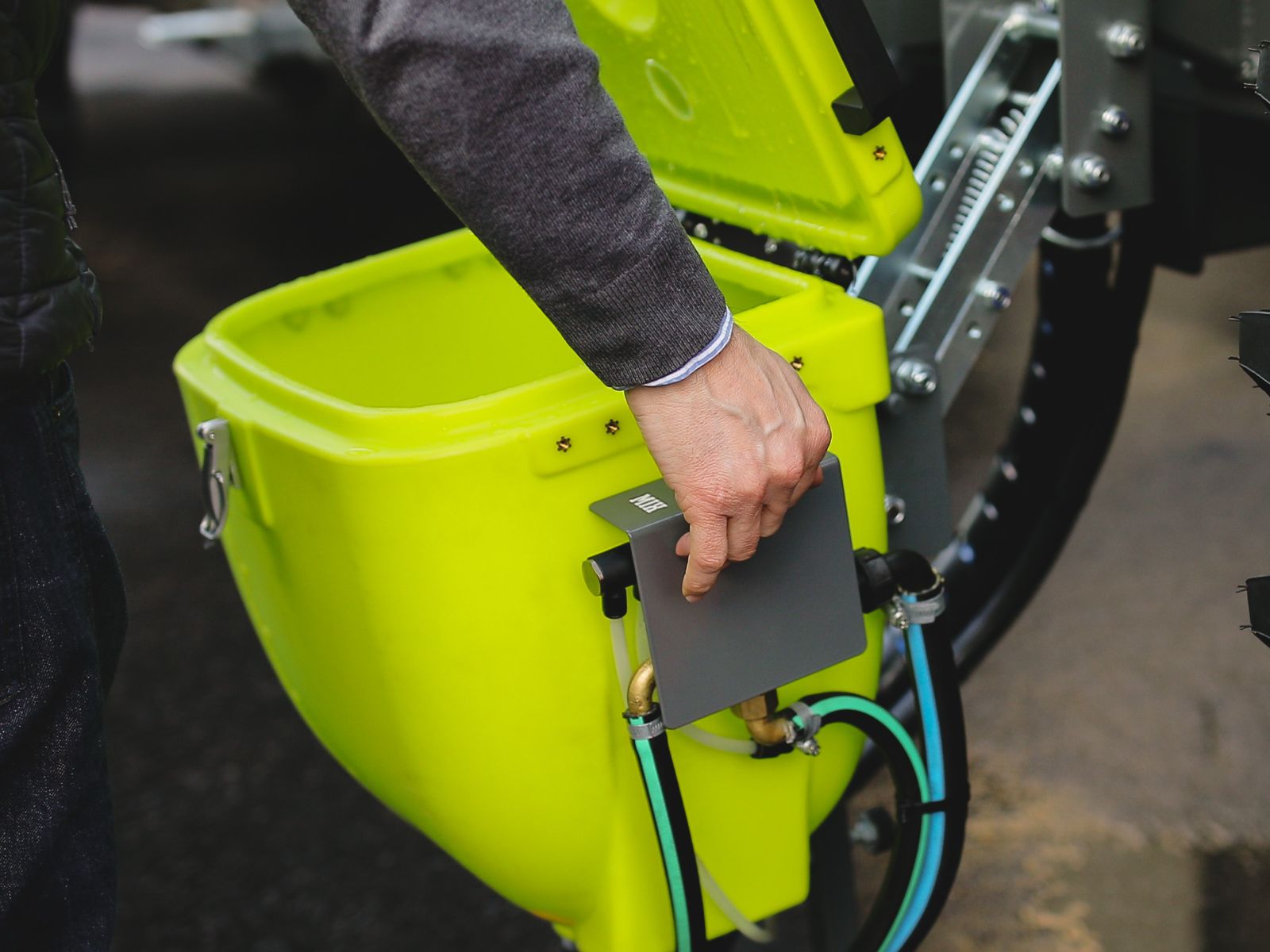
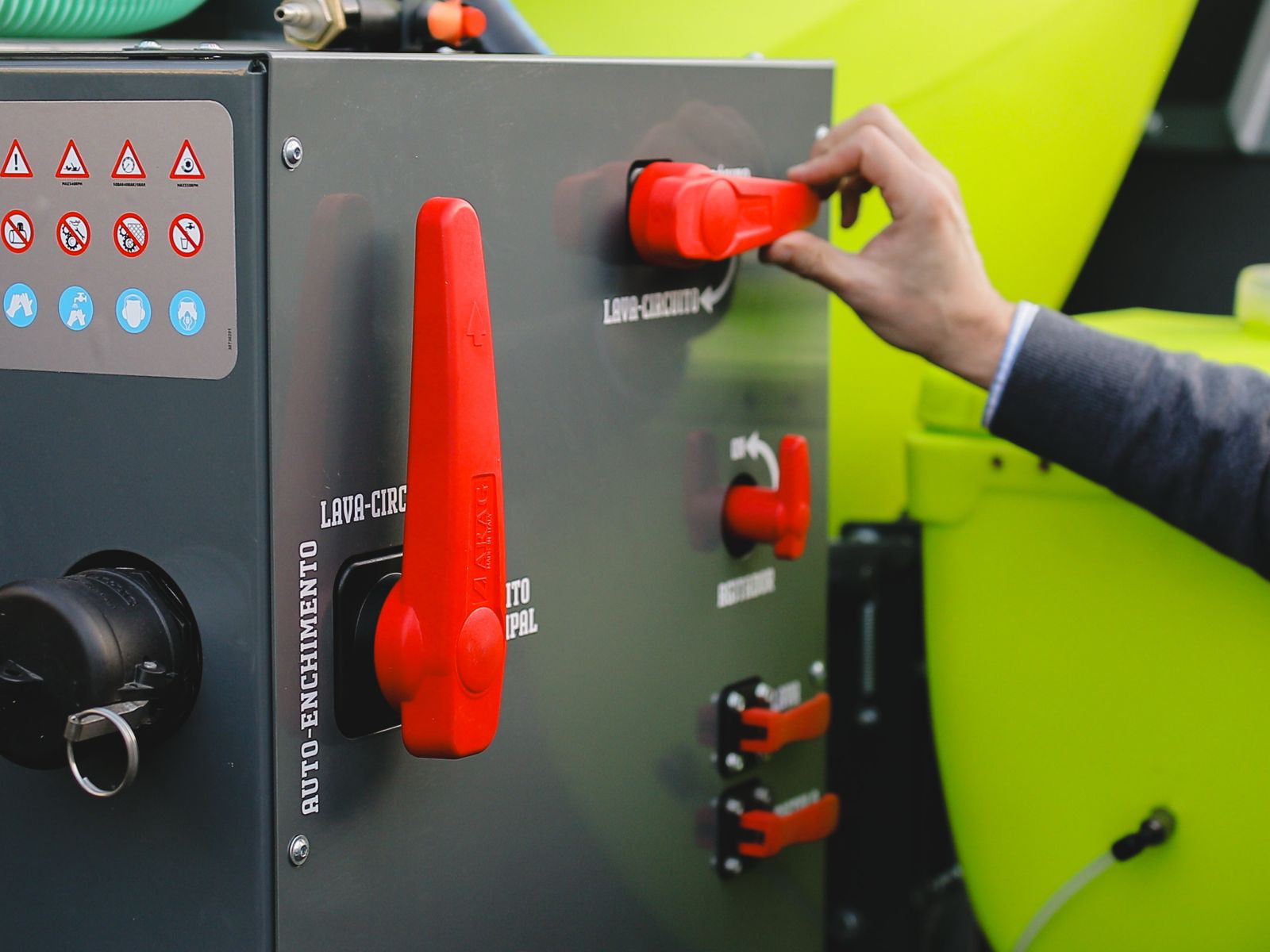
Sprayers equipped with a Circuit Washing System make the cleaning process significantly easier.
This system uses an additional clean water tank, usually with a capacity equivalent to 10% of the main tank, allowing the entire circuit to be cleaned, from the main filter to the nozzles, including the pump, control unit, hoses and section filters, simply by switching the three-way valve.
In this way, residues can be removed more simply, automatically and even more efficiently, since only clean water is used, free from residues remaining in the main tank, preventing products from drying inside the circuit or causing undesirable chemical reactions.
Before starting the season
Before carrying out the first treatment of the agricultural season, it is recommended to:
- Carry out a general inspection of the equipment;
- Perform a test run using only water to confirm that everything is functioning correctly;
- Compare the flow rates of all nozzles using measuring jugs, confirming that they are equal or sufficiently close, in accordance with the manufacturer's specifications.
During operation
Ideally, the circuit should be cleaned at the end of every tank load. It is mandatory at the end of each working day (after completing all treatments scheduled for that day) and during extended intermediate breaks (for example, during lunch breaks).
The main operations include:
- Removing and cleaning all filters;
- Flushing the entire circuit up to the nozzles;
- Visually checking for leaks or damaged components.
These operations prevent residues from drying inside the system, significantly reducing future breakdowns.
At the end of each working day
Once the day's treatments have been completed, it is advisable to thoroughly reinforce the cleaning of the:
- Circuit;
- Inside of the main tank;
- Exterior of the sprayer.
This simple routine prevents residue build-up, protects components and facilitates future maintenance operations.
At the end of each treatment phase
When a treatment cycle comes to an end, cleaning should be even more thorough.
At this stage, it is recommended to:
- Double the care described above until the entire circuit has been confirmed to be completely clean;
- Completely empty the tank, never storing leftover product;
- Check the pressure compensator on the pump and replace the diaphragm if water is released;
- Check the pump oil level and condition, always after a few minutes of operation. During operation, the diaphragms cause the oil to move back and raise the level in the reservoir. If oil is added without taking this into account, damage may occur to the oil tank cap or even cause the tank itself to rupture;
- Replace all diaphragms if the oil has a milky appearance (similar to milky coffee), which indicates a rupture;
- Inspect, clean or even replace the pressure valves;
- Lubricate the sealing rings (O-rings) and the pump piston with petroleum jelly or a suitable lubricant to prevent drying out and increased wear.
Storage at the end of the season
After the agricultural season has ended, the sprayer should be carefully prepared for storage.
The equipment should remain:
- Completely clean. The cleaning procedures described above should be carried out even more rigorously and, if necessary, repeated until effective cleaning has been achieved;
- Stored in a dry place, protected from direct sunlight;
- Protected from moisture and adverse weather conditions.
Electrical and electronic control units require special attention. Whenever possible, they should be disconnected from the sprayer and stored in a closed, protected location.
What happens when cleaning and maintenance are neglected?
A lack of cleaning and maintenance has direct consequences on equipment performance.
The main impacts include:
- Reduced service life of the sprayer;
- Increased wear on components;
- Loss of spraying efficiency:
- Greater waste of plant protection products;
- Increased risk of environmental contamination;
- Reduced effectiveness of treatments.
- Reduced farm profitability.
Always consult the operator's manual
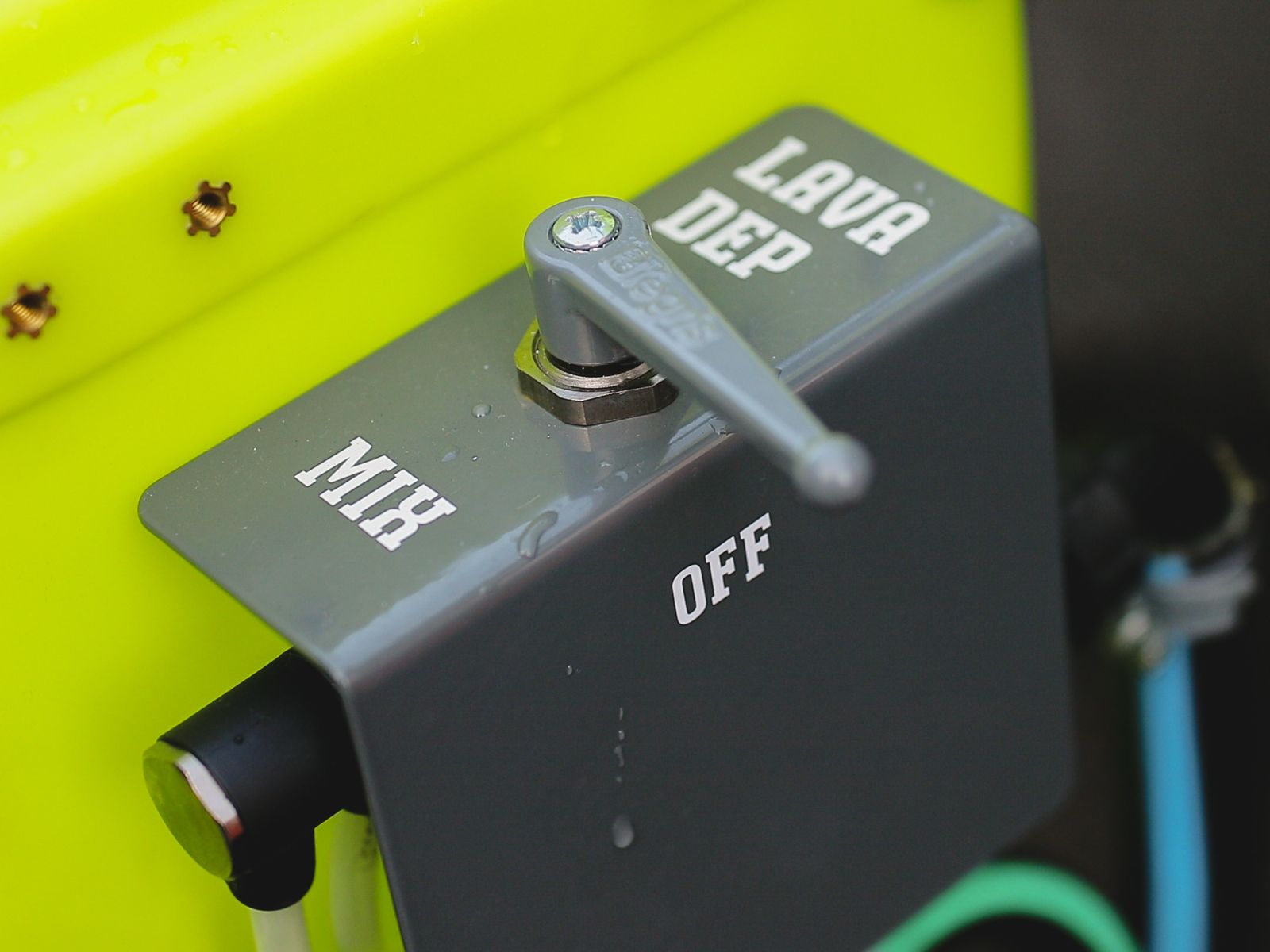
We would like to remind you that all Rocha sprayers are supplied with a User Manual, where you will find detailed instructions on cleaning, preventive maintenance and equipment care.
If you have lost your manual or need to consult it, please visit www.pulverocha.pt.
Following these recommendations will maximise the sprayer's performance and reduce maintenance costs over the years.
Conclusion
Efficient spraying does not depend solely on good calibration. Regular cleaning and maintenance are equally crucial to ensure safe, accurate and effective treatments.
By incorporating these good practices into your routine, you will be protecting the environment, safeguarding your investment in the equipment, reducing waste and ensuring high-quality applications throughout the entire season.