Training
Small actions that make a difference in the field
At Pulverizadores Rocha, we believe that efficiency in the field begins with informed decisions and consistent day-to-day practices.
We are launching a new monthly section dedicated to Good Agricultural Practices, where every month we will address an essential topic to help optimise results, reduce waste and promote more sustainable production.
Topic of the Month: Calibration of Spraying Equipment
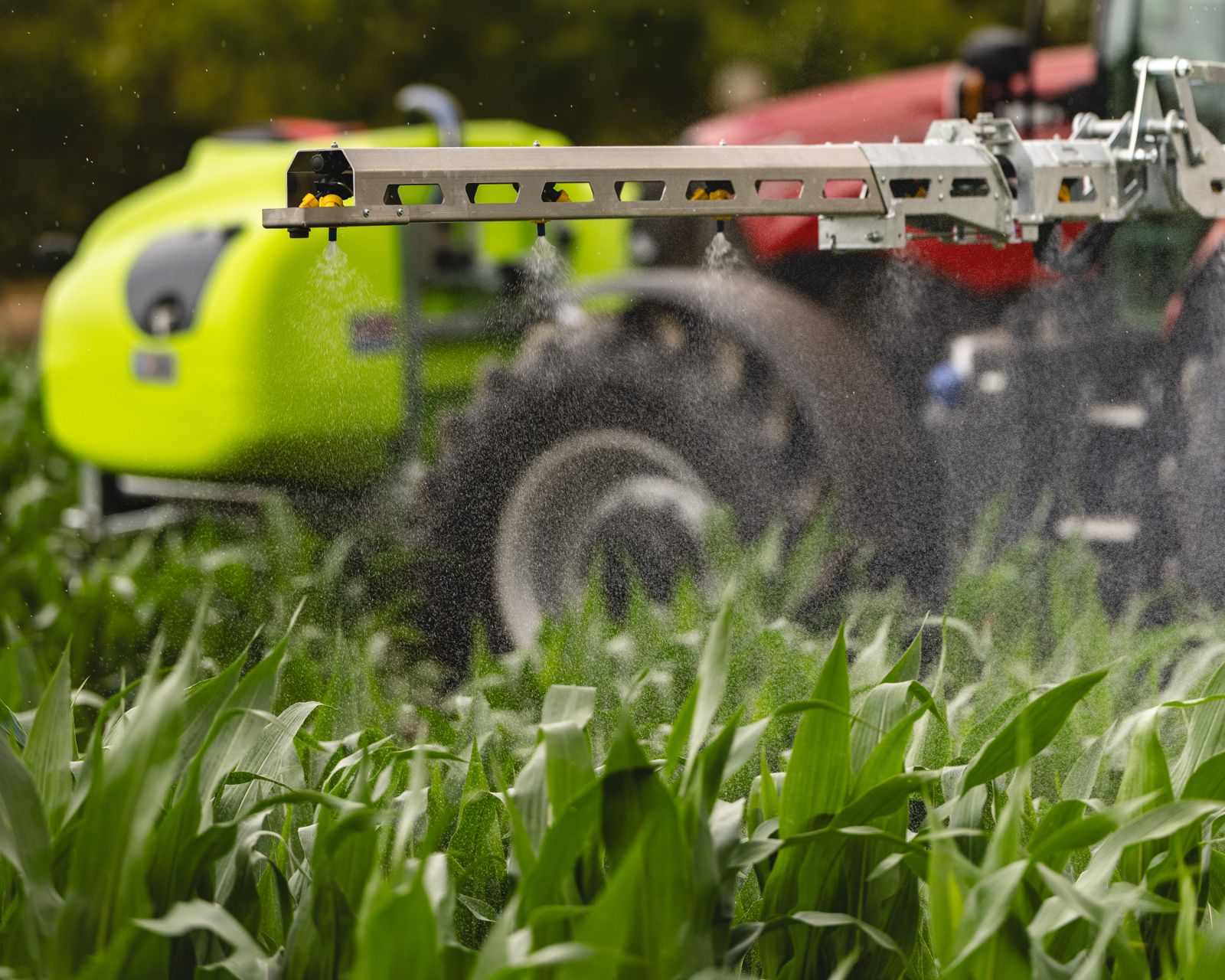
Ensuring the effectiveness of the application of plant protection products in agricultural crops is essential and is achieved through a proper sprayer calibration process.
Without calibration, plant protection products are not distributed uniformly and, as a result, areas with insufficient or excessive product application appear.
As a consequence, crop yields suffer due to the decline in plant health, either because of insufficient treatment or increased phytotoxicity.
Correct calibration at the beginning of the season and whenever any variable changes occur, as well as monitoring during treatments, is of crucial importance so that spraying equipment becomes an ally for:
- Environmental protection;
- Maintaining plant health;
- Maximising treatment effectiveness throughout the crop cycle;
- Reducing waste of plant protection products;
- Increasing crop profitability;
How to Calibrate a Sprayer:
The sprayer calibration procedure can be divided into three stages:
1. Determining nozzle flow rate:
To select the nozzles to be used for spraying, it is necessary to determine the flow rate (litres/Ha), working width (M) and forward speed (KM/H).
The nozzle flow rate is the amount of product sprayed per unit of time.
The main nozzle suppliers, namely ALBUZ, provide nozzle flow rate tables.
The tabulated values can, and in many cases should, especially after some use, be confirmed through tests using a graduated container and a stopwatch.
If the nozzles are new or show evidence of remaining in good condition, testing may be unnecessary.
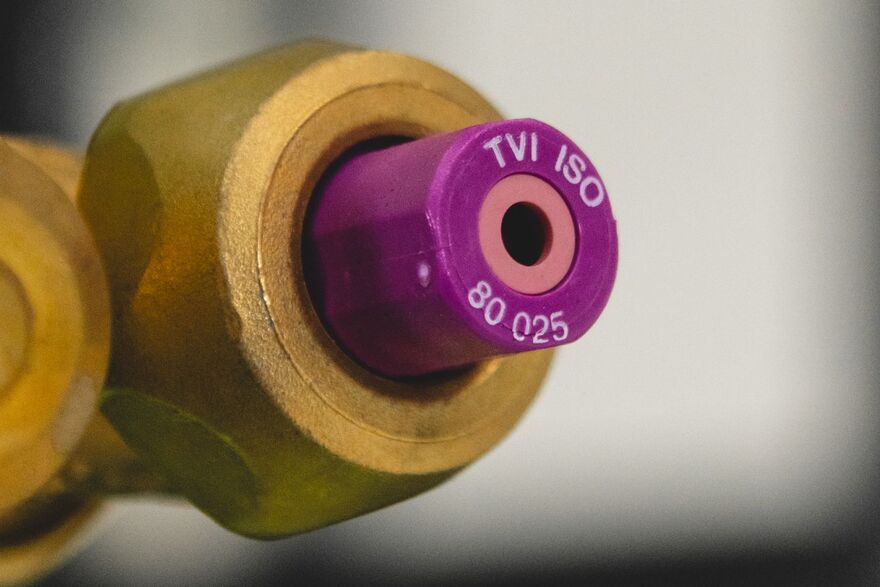
The use of ceramic orifice nozzles ensures greater precision and wear resistance.
2. Determining forward speed:
Forward speed is the distance travelled by the sprayer over a given period of time. To determine forward speed, a stopwatch and measuring tape are required.
Nowadays, there are several GPS systems that indicate forward speed, making traditional methods of determining forward speed unnecessary.
3. Determining spray coverage:
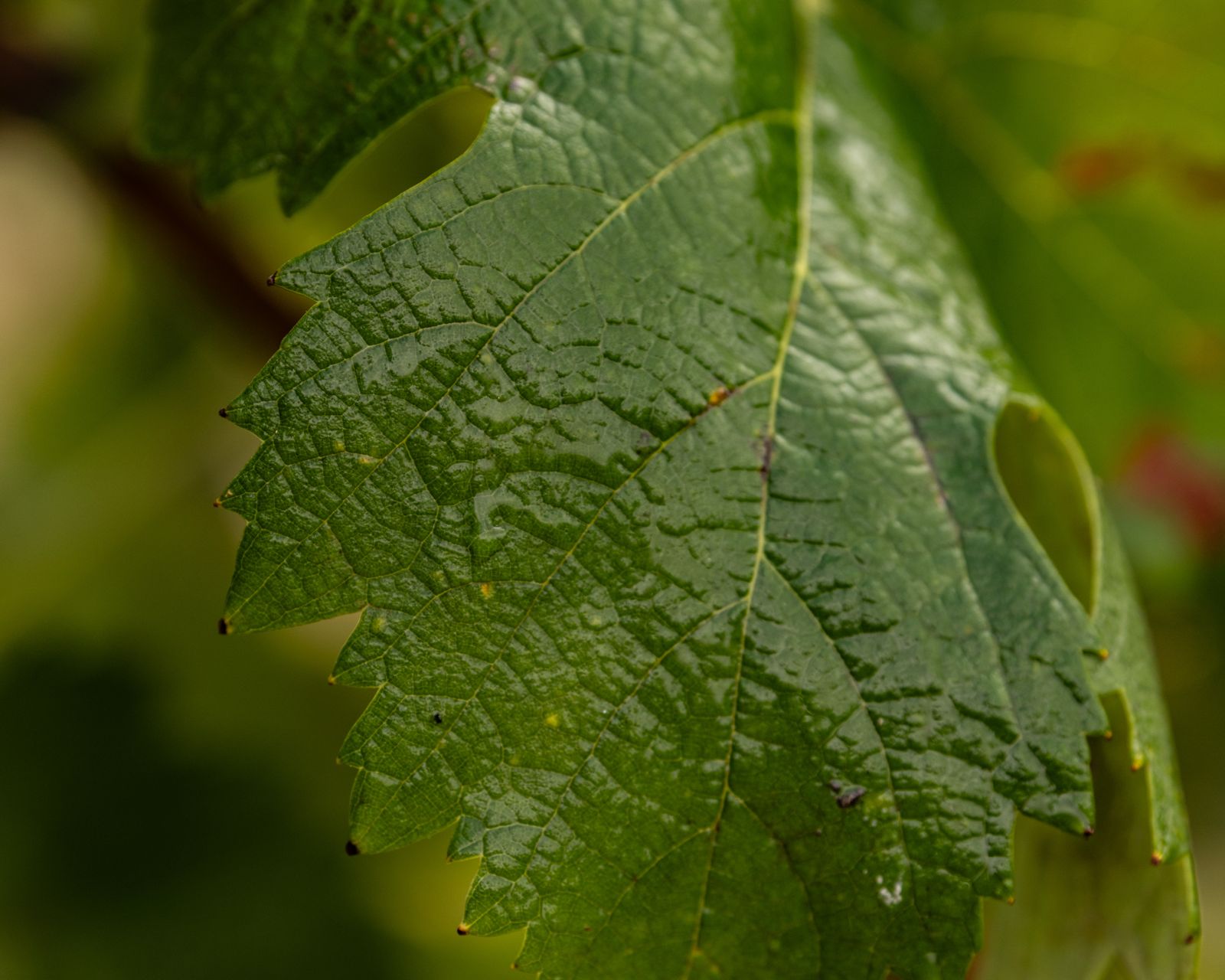
Spray coverage is the amount of droplets deposited on the target, for example, the soil, leaves or fruits. To achieve correct coverage, the selected nozzles must reach the desired flow rate within the recommended pressure range (Bar) to guarantee droplet quality and size.
To determine spray coverage, water-sensitive paper must be used.
Summary
Pulverizadores Rocha provides operator manuals at www.pulverocha.pt, supplied with the sprayers, where all the necessary information can be found to select the most suitable nozzles for the intended treatment.
Alternatively, sprayers can be equipped with computerised systems that automatically regulate working pressure according to forward speed in order to guarantee a constant dosage per hectare.
Nevertheless, this automatic regulation must be monitored to ensure that the pressure limits reached remain within the recommended range of values. If the limits are exceeded, the nozzles to be used must be redefined in order to guarantee droplet quality and size.
Conclusion
Sprayer calibration is an important process to ensure the effectiveness and safety of spraying operations.
By following the procedures available at www.pulverocha.pt, in the user manuals, nozzle dosage tables and by using Agriculture 4.0 systems, sprayers carry out treatments correctly and safely, protecting plants, the environment and crop productivity.